

 USA TODAY National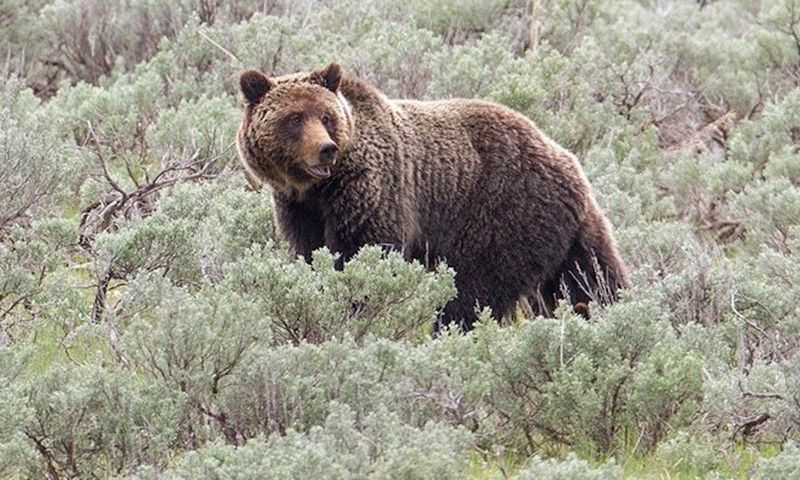
When British Columbia ended hunting for grizzly bears in 2017, the B.C. Wildlife Federation predicted that human-grizzly bear conflicts would eventually increase, and now that they have, should hunting for them be reinstated?
The issue resurfaced in the aftermath of an incident occurring last week in Bella Coola, 270 miles northwest of Vancouver, where a grizzly bear emerged from the forest and attacked a group of schoolchildren and teachers eating lunch on a trail, as reported by The Guardian and the Canadian Broadcasting Corporation.
Three children were taken to a hospital, including two with critical injuries, and an adult was hospitalized in Vancouver. Seven others were treated locally.
Wildlife officials warned the public to avoid the 4 Mile area where the attack occurred.
Two bears were caught Monday and are being tested to determine if either were involved in the attack, based on a DNA assessment, Global News reported. If they weren’t, they’ll be fitted with a GPS collar and be relocated.
“With no hunting pressure, grizzlies and humans will increasingly occupy the same spaces with inevitable consequences,” B.C. Wildlife Federation executive director Jesse Zeman said in a statement from the BCWF.
“When the hunt was closed, we predicted that over time human-grizzly conflicts would increase, but we also know that bears that learn bad behaviors teach those same behaviors to their offspring,” said Zeman. “This will keep getting worse until science-based wildlife management is reinstated.”
According to the BCWF, grizzly conflicts ranged from 300 to 500 per year over the 10 years before the hunting ban; calls about grizzly bears have doubled to nearly 1,000 a year since the ban.
CBC reported that the executive director of the Grizzly Bear Foundation accused the BCWF of using “incendiary” language in the wake of the attack. He said such attacks are rare, and grizzlies are a keystone species that play a key role in the ecosystem.
Grizzly bear attacks are “extremely rare”
Inspector Kevin Van Damme of the Conservation Officer Service told The Guardian this was the first time he had seen a grizzly attack a group in this way in the nearly 25 years he’s been serving.
“This is extremely rare,” he told The Guardian. “We are trying to determine the behavior and why the bear acted in the way it did…Thankfully, the teachers were prepared. They did everything they needed to do and they avoided serious injuries to others.”
From The Guardian:
“Attacks by grizzly bears in the province are rare, but British Columbia has seen a string maulings in recent months. Three grizzly attacks have been reported around the province in the last couple months. Of the three incidents since September, one was fatal: hunter Joe Pendry was attacked by a sow and two large cubs. He fought off the mother, who later died of her injuries. Pendry succumbed to his own extensive injuries three weeks after the 2 October attack.”
For many of the First Nations along the Pacific Coast, grizzlies hold a deep cultural significance, and many of those communities pushed for the end of trophy hunting for grizzly bears in British Columbia, though First Nations are allowed to harvest grizzly bears under their Aboriginal rights for food, social or ceremonial purposes, or treaty rights.
In answer to requests for the B.C. government to bring back the hunt for grizzly bears, Environmental Minister Tamara Davidson said the hunt had never been used as a population management tool, CBC reported.
“When the hunt was open, bears were not typically hunted in the same areas where conflicts were occurring,” Davidson told the legislature Tuesday, adding that the focus now is keeping the community safe.
This article originally appeared on For The Win: Should grizzly bear hunting ban in B.C. be lifted? Some say yes
Reporting by David Strege, For The Win / For The Win
USA TODAY Network via Reuters Connect

 ABC News
 TAPinto Newark
 Miami's Community Newspapers
 KWQC
KWQC Raw Story
 The Conversation
 America News
 The Daily Beast