

 WGCU Public Media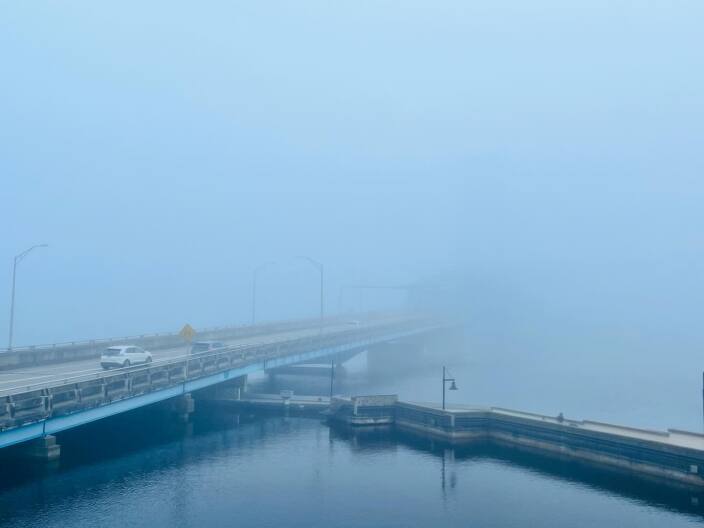
As states across the northern tier of the country deal with ice and snow during the winter season, Florida can see its own unique hazard — dense fog, which can reduce visibility and create dangerous traveling conditions.
Fog forms when water vapor condenses into tiny droplets near the ground, often during the overnight and morning hours when the air is near the dew point.
Foggy conditions are often prevalent during late fall and lasts through early spring, when enough moisture is present.
Out of the many types of fog, there are two forms that are common in the Sunshine State: advection and radiation.
For radiation fog to develop, there needs to be light winds, clear skies and enough available moisture.
During the nighttime hours, the ground cools, leading to the cooling of the air imm

 Local News in New Jersey
 Daily Voice
 WLWT
WLWT New York Post
 KSLA News
 The Conversation
 KMOV Crime
 New York Magazine Intelligencer