

 Vermont Public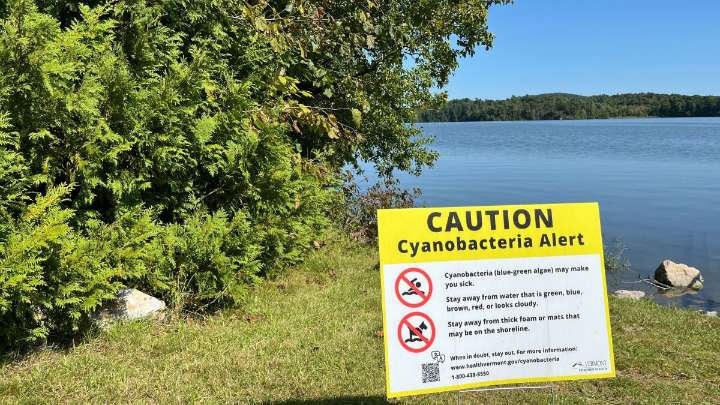
People who spend time on Lake Champlain and other Vermont lakes are probably aware that beaches close regularly during warmer months due to an increased presence of cyanobacteria, often called blue-green algae.
Traditionally, scientists have considered excess phosphorus to be the culprit of cyanobacteria blooms, which can cut off sunlight and oxygen from marine life and cause other harm to humans and the environment. But a recent University of Vermont study finds nitrogen could also play a role in fueling them.
To conduct the study , which was published last month in the Journal of Limnology and Oceanography, researchers collected weekly water samples in St. Albans Bay and Missisquoi Bay to test for phytoplankton, cyanotoxins and nutrient loads.
“We wanted to know what mechanisms were

 KY3
KY3 WTOP
WTOP KNAU
KNAU KCRG Iowa
 Santa Maria Times Safety
 KPAX
KPAX The Virginian-Pilot
 Bored Panda
 IFL Science
 The Denver Post
 Raw Story