

 Detroit News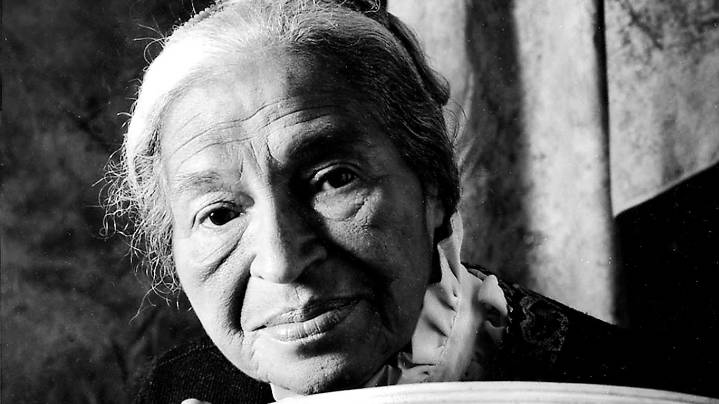
This week marked the 70th anniversary of the day Rosa Parks, the matriarch of the civil rights movement, was arrested in Montgomery, Alabama, for refusing to give up her seat to a White passenger.
The historic event on Dec. 1, 1955, led to the Montgomery Bus Boycott, which quickly brought the Rev. Martin Luther King Jr. — then president of the Montgomery Improvement Association, the group organizing the boycott — to the forefront of the nation’s attention as a leading moral voice of the era.
But it was Park’s quiet strength in defying the dictates of the Jim Crow era that helped ignite 381 days of non-violent protests against segregation that would change the nation forever. As King himself would later write, the boycott was "the chronicle of 50,000 Negroes who took to heart the principl

 Biography
 Montomery Advertiser
 The Bay City Times
 Raw Story
 Newsweek Top
 America News
 AlterNet
 The Daily Beast
 The Daily Mining Gazette
 Insider