

 The Print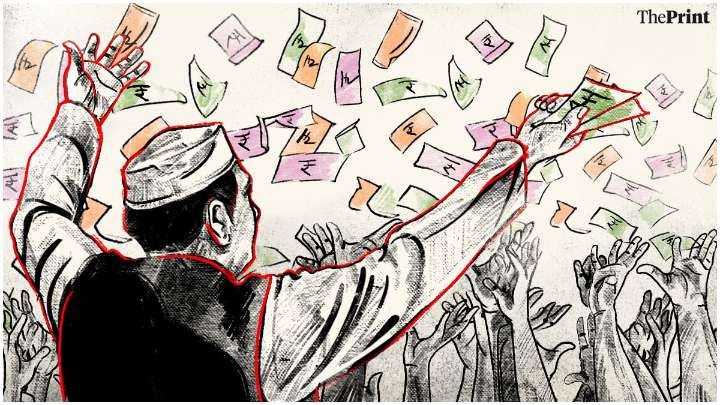
T he Bihar Assembly election, which delivered a landslide verdict in favour of the NDA, has reignited the debate on the increasing relevance of welfare promises in Indian electoral politics. It is claimed that the direct cash transfer of Rs 10,000 made to women by the Nitish Kumar-led NDA coalition government just before the polls resulted in increased female voter turnout — a winning recipe for the Bihar election.
This resonates with the prevailing narrative in Madhya Pradesh, Maharashtra, Jharkhand, West Bengal, Karnataka, and Telangana, where similar women-centric welfare schemes announced by incumbent governments prior to elections are said to be an enabler in securing success. This narrative dismisses direct cash transfers as a vote-buying tool, robb ing thes

 NBC Chicago Sports
 AlterNet
 America News
 Raw Story
 The Shaw Local News Sports
 The Rink Live