

 The Print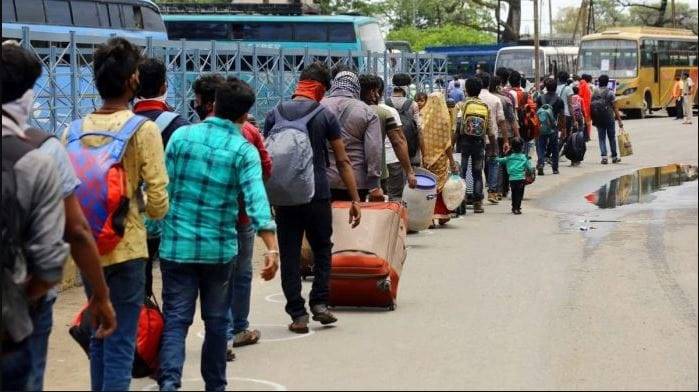
W hen we think of Bihar today, it is usually in terms of migration: the apparently-endless stream of workers heading to Punjab’s farms, Delhi’s construction sites, or the Gulf’s shiny stadiums. But this mobility is not new. For centuries, Bihar has been one of India’s great reservoirs of manpower, supplying soldiers and peasants to empires near and far.
To understand why Bihar works (and votes) the way it does, we need to understand the long history of its migrant labour: from fifteenth‑century mercenaries in Malwa and Gujarat, to indentured workers shipped to Mauritius and Fiji, to today’s migrants in Dubai. The story is the same: Bihar’s labouring castes have always been mobile, and their mobility has always shaped politics.
Regionalism and f luid m arkets
While we often look

 Gainesville Sun Sports
 The Daily Beast
 Raw Story