

 Grist
Grist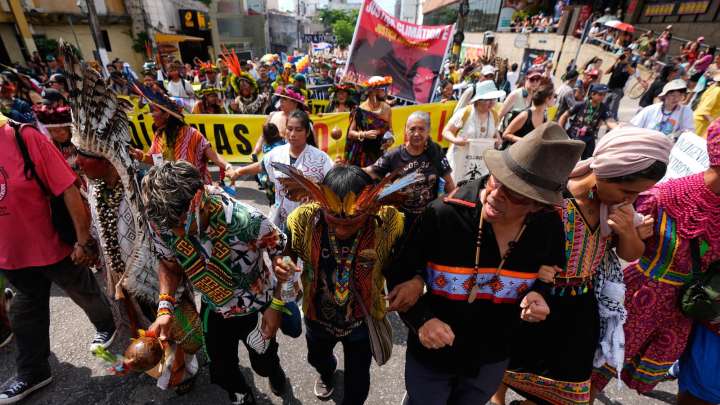
If there is one image that encapsulates COP30, this year’s global climate change conference in Belém, Brazil, it might be this: Indigenous activists, in traditional clothing and regalia, storming past security into a secure zone made for international negotiators and pre-approved delegates.
The action occurred on the second day of COP30 and underscored how this conference would be different from others. This COP had been billed as the “Indigenous COP,” given the venue’s proximity to the Amazon and Brazil’s efforts to ensure Indigenous participation. But that presence was still limited by the nature of U.N. negotiations, in which member states have voting rights and Indigenous peoples who haven’t achieved internationally recognized statehood are unable to vote on decisions such as when a

 AlterNet
 Raw Story
 Reuters US Top
 Reuters US Domestic
 The Conversation
 Orlando Sentinel Politics
 CBS News
 Reuters US Business
 CNN Video