

 Deccan Herald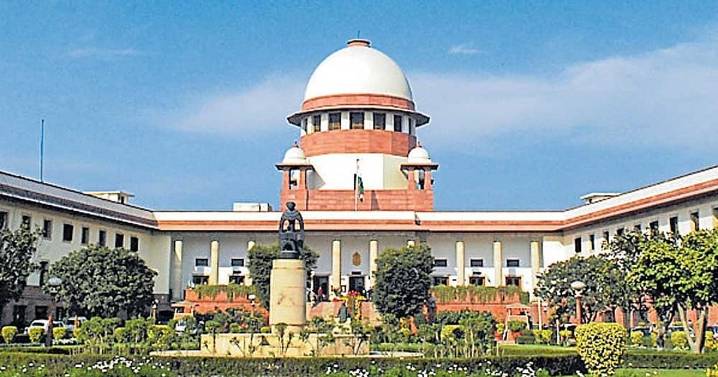
Recently, in one of Justice B R Gavai’s final acts as the Chief Justice of India (CJI), a three-judge bench of the Supreme Court led by him recalled its May 16 judgment that struck down retrospective Environmental Clearances (ECs) by the Union government. The majority view held that the May judgment would lead to significant loss of revenue and livelihoods if large-scale demolitions of illegal constructions were carried out. The dissenter, Justice Ujjal Bhuyan, had in fact been part of the two-judge bench which authored the earlier judgment.
Dissents are among the most powerful tools available to judges for shaping jurisprudence and upholding institutional integrity. Although dissenting opinions are, by their nature, not part of a judgment’s ratio decidendi, well-reasoned dissents that ca

 The Times of India
 America News
 The Conversation
 The Columbian Sports
 Cleveland 19 News
 AlterNet
 Real Simple Home
 New York Post
 Billboard