

 CNN Health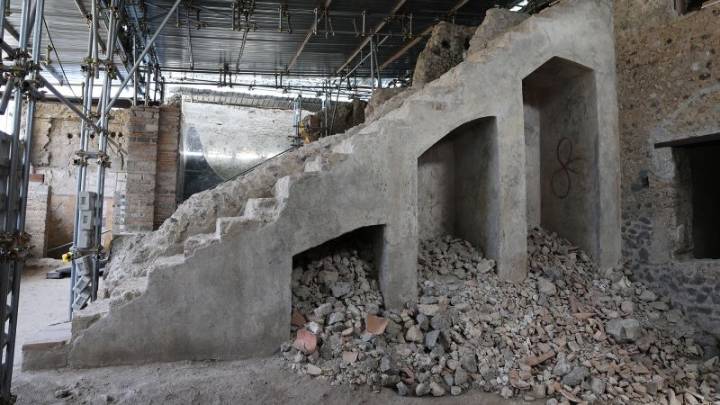
Nearly 2,000 years after a devastating volcanic eruption destroyed and entombed a thriving Roman city, researchers are turning to the novel technique of digital archaeology to reveal the “lost Pompeii.”
Mount Vesuvius erupted in AD 79, covering Pompeii in a thick layer of molten rock, ash and debris. Some residents fled, while others were killed, trapped by volcanic material. The ghostly ruins, frozen in time, became a tableau that archaeologists have investigated since 1748.
Excavations have revealed the buildings and artifacts hidden beneath the ash, colorful remains of decorative frescoes, and haunting remains of the city’s residents.
But not all of the architectural structures were preserved in Pompeii, leaving researchers with lingering questions about daily life in the ancient, so

 NBC10 Boston Entertainment
 America News
 Mediaite
 Edmonton Sun World
 Plano Star Courier Sports