

 Reuters US Domestic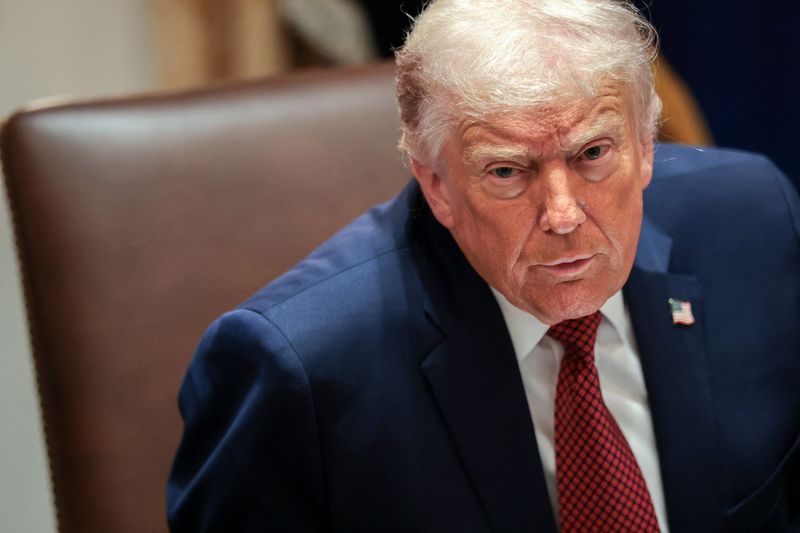
WASHINGTON, Dec 8 (Reuters) - U.S. President Donald Trump on Monday criticized insurance companies while calling for funds to go directly to individuals rather than insurers, as Democrats push for a three-year extension of expiring subsidies for Affordable Care Act health plans.
Trump made his comments during a White House event as Democrats in the Senate prepare to vote on Thursday on extending the COVID-era subsidies, though the measure is unlikely to pass due to insufficient Republican support.
The subsidies, which help offset premium costs for the plans, also known as Obamacare, are set to expire at the end of the year, potentially impacting up to 24 million individuals reliant on the program.
A recent poll by health-research firm KFF found that about one-fourth of Obamacare enrollees would forgo coverage in 2026 if the subsidies expire and premiums double. Most beneficiaries want Congress to extend the subsidies, the poll found.
Republicans, under an agreement reached last month to end a record 43-day government shutdown, promised Democrats a vote on healthcare subsidies.
Late on Monday, Republican Senators Bill Cassidy of Louisiana and Mike Crapo of Idaho, who chair two committees with oversight of healthcare, unveiled legislation they are seeking as an alternative to the Democrats' three-year extension of the expiring Obamacare subsidies.
It would direct up to $1,500 into health savings accounts for individuals earning less than 700% of the federal poverty level. It also would bar the funds from being used for abortion or "gender transition services," according to a summary released by the two senators.
They said the measure also would contain a provision to lower insurance premiums by 11% in 2027 and would reduce federal Medicaid funding to states that provide healthcare coverage to "illegal immigrants."
It was not yet clear whether the Cassidy-Crapo bill would receive significant support from the 53-member Senate Republican conference, which is expected to discuss this and other proposals on Tuesday during a closed-door lunch. However, the effort was expected to be met with significant opposition from Democrats.
Cassidy, a physician who chairs the Senate Health, Education, Labor, and Pensions Committee, argues this approach gives patients more control over healthcare spending.
Critics say the proposal could disproportionately benefit higher-income individuals while forcing lower-income Americans to shift toward short-term or high-deductible insurance plans.
They warn that many low-income consumers, who currently pay little to nothing for coverage, could face significant new out-of-pocket costs if the subsidies lapse. Currently, no Obamacare participant pays more than 8.5% of their income on premiums, but that limit will end if lawmakers do not extend the subsidies.
(Reporting by Nandita Bose and Richard Cowan; Writing by Ahmed Aboulenein and Jasper Ward; Editing by Katharine Jackson, Bill Berkrot and Chris Reese)

 ABC News
 Raw Story
 Associated Press US News
 AlterNet
 Associated Press Elections
 America News