

 Savannah Morning News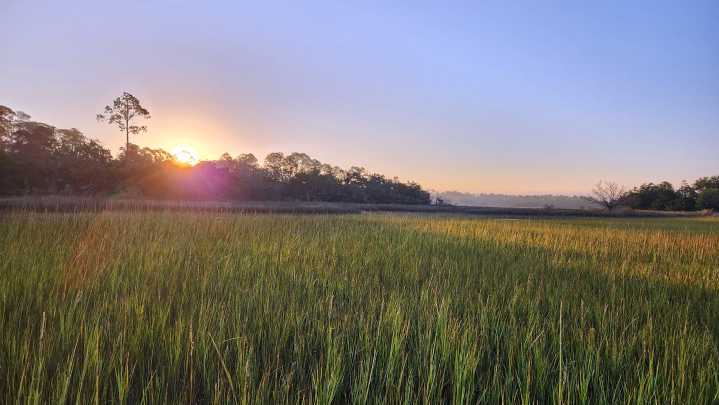
AI-assisted summary
Despite a healthy green appearance, Georgia's salt marshes are experiencing a significant decline in belowground biomass.
This belowground decline is a critical warning sign that the marshes could soon collapse above ground.
The findings provide an early-warning system for coastal managers to prioritize restoration efforts in vulnerable areas.
A visual assessment of Georgia's marshes would likely pass with flying colors. Or more specifically, shades bright green that fade into golden-brown in the winter. Over the past decade, the state's iconic marsh grass Spartina alterniflora has increased in cover along the coast, seemingly standing strong as the nation's second-largest salt marsh.
But scientists have found the truth requires some digging.
University of Geo

 The Conversation
 Associated Press Top News
 New Yorker
 Raw Story
 ESPN Cricket Headlines
 AlterNet