

 Space.com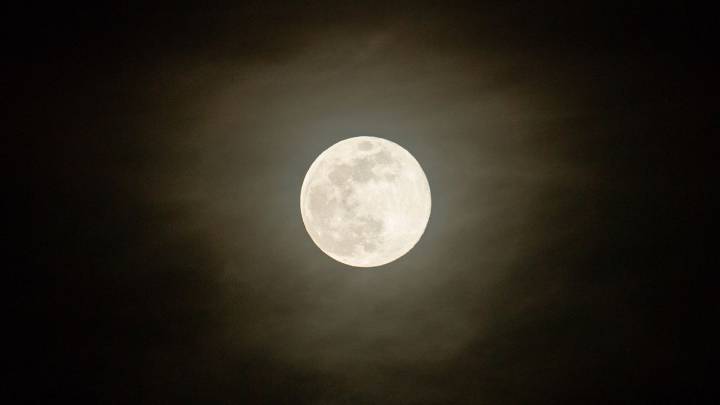
The January full moon will occur at 5:03 a.m. EST (1003 GMT) on Jan. 3, when the moon sits opposite the sun and appears completely illuminated from our perspective.
This month's full moon will reach its full phase while close to perigee — the nearest point to Earth in its 27-day orbit —giving rise to a visually spectacular "supermoon", which can be 30% brighter and 14% larger than the smallest full moon of the year, according to NASA.
January's's full moon is often called the "Wolf Moon", in reference to the packs of predators that are active around this time of year.
When to see the January full moon
Look east at sunset on Jan. 3 to see the fully-lit lunar disk climb over the eastern horizon. It will likely take on a yellowish hue in the period following moonrise, as a phenomenon call

 CNN Health
 America News
 Desert Sun News
 CBS News
 The Atlantic
 New York Post
 Associated Press Top News
 Space War
 Raw Story