

 Reuters US Top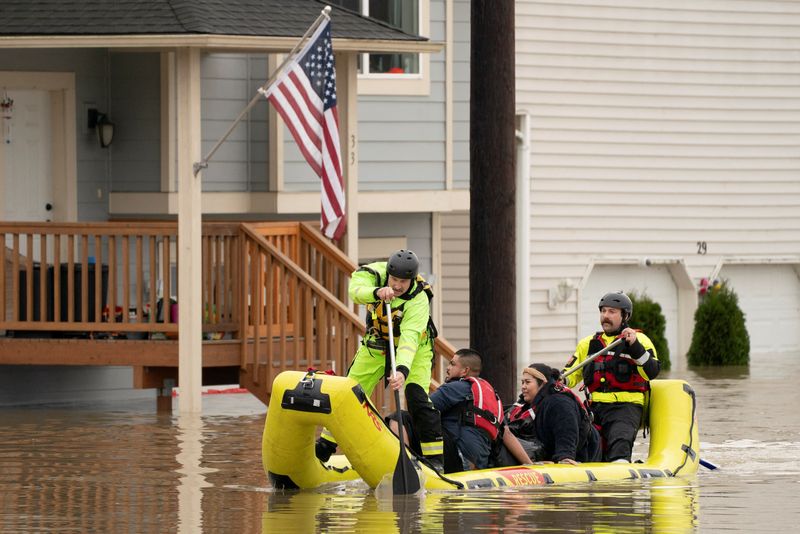
By David Ryder and Steve Gorman
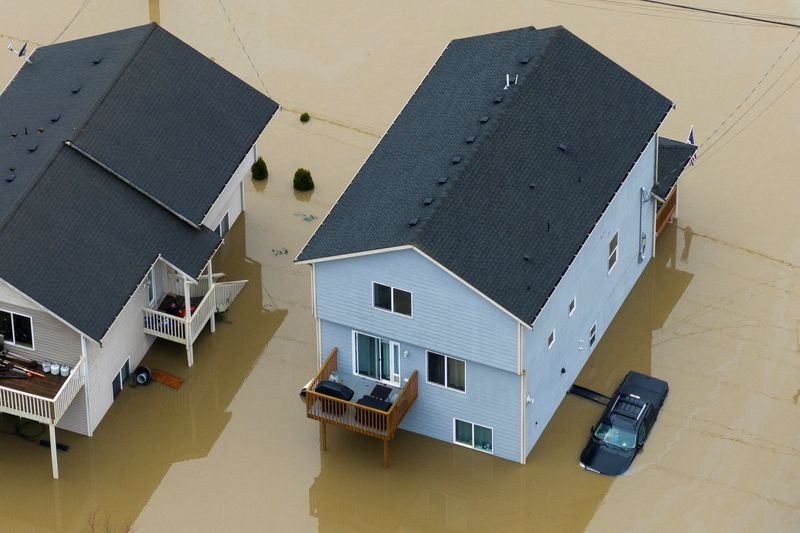
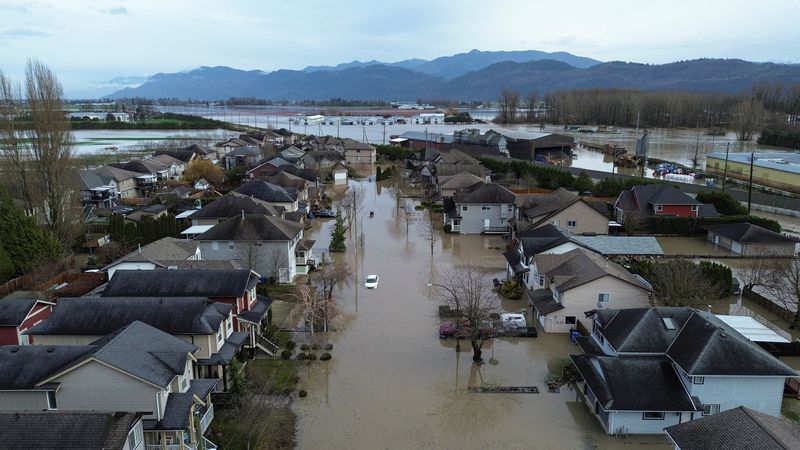
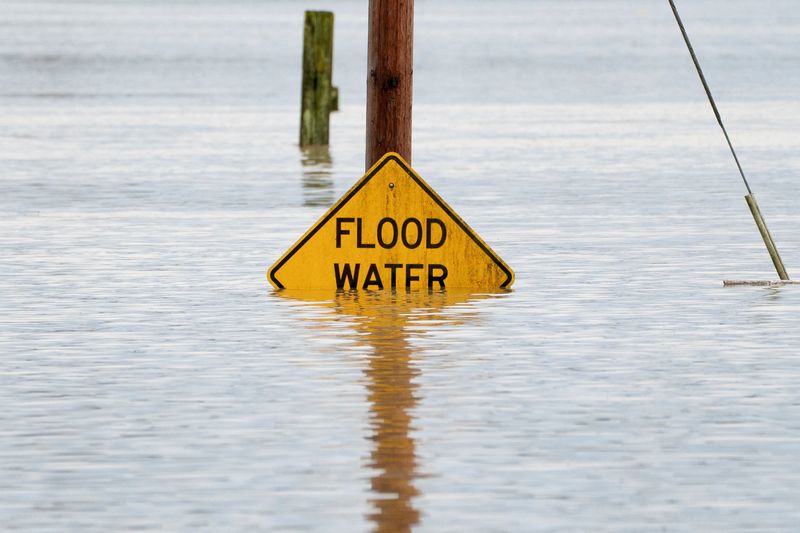
SNOHOMISH, Washington, Dec 11 (Reuters) - Heavy rains drenching the Pacific Northwest triggered flooding on Thursday across much of the region from Oregon north through Washington state and into British Columbia, closing dozens of roads and prompting the evacuations of tens of thousands of people.
The intense downpours began earlier in the week, swept into the region by a storm system meteorologists call an atmospheric river, a vast airborne current of dense moisture funneled inland from the Pacific Ocean.
Western Washington state bore the brunt of the storm, with flood watches posted across the Cascade and Olympic mountains and Puget Sound, as well as for a northern slice of Oregon, a region home to some 5.8 million people, according to the U.S. National Weather Service.
The same storm system brought heavy showers and flooding to western Montana and an edge of northern Idaho.
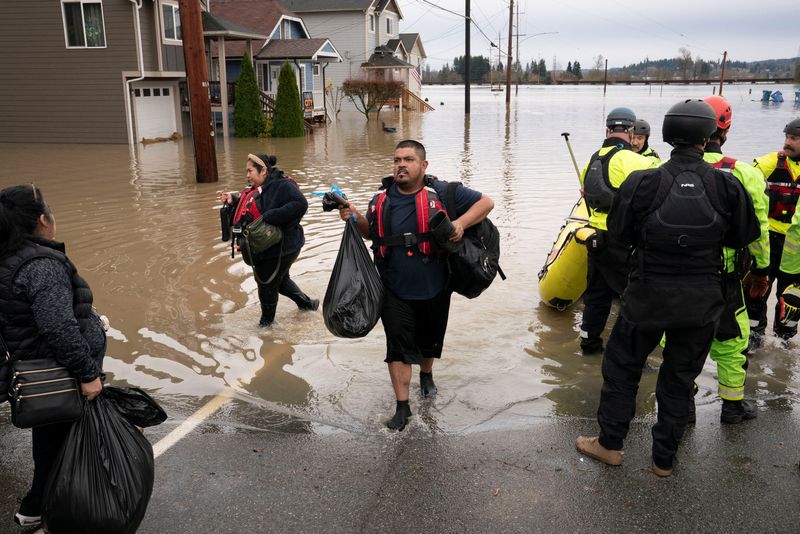
Roughly 100,000 residents in western Washington were under "Level 3" evacuation orders urging them to immediately move to higher ground, the bulk of them in rural Skagit County north of Seattle, said Karina Shagren, spokesperson for the state emergency management division.
About 3,800 evacuees were believed to be in need of temporary shelter, Skagit County emergency chief Julie de Losada said.
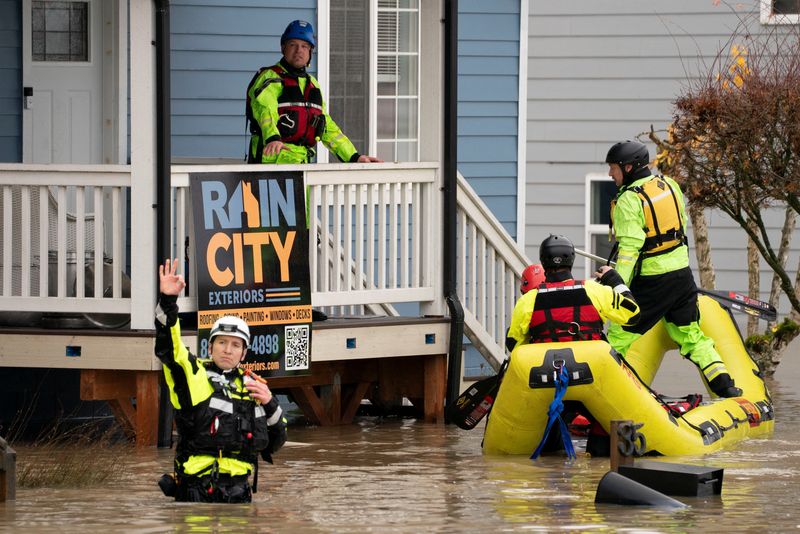
Shagren said swift-water rescue teams had been deployed across the region, but there were no reports of casualties or of people missing or stranded in the flooding.
The worst flooding was reported along the Skagit, Snohomish and Puyallup rivers. More than 30 highways and dozens of smaller roads were closed due to flooding across the region, state officials said.
Several lengthy segments of the BNSF Railway, a major freight line serving the Pacific Northwest, were washed out or closed due to flooding, the company said, citing reported rainfall of 10 to 17 inches or more in many areas.
So far, the walls of flood-control levees and dikes were holding firm.
But officials said they were bracing for the Skagit River to crest at 2 feet above record levels on Thursday night near the Skagit County towns of Mount Vernon and Burlington, potentially topping levees and testing their strength for the first time since repairs were made following the last major flood in that area in 2021.
"The situation is unpredictable, it's dangerous and we don’t know exactly what will happen when those floodwaters come through," said Robert Ezelle, director of the state's emergency management division.
The Weather Service said the storm had dumped 5 to 10 inches (12.7 to 25.4 cm) of rain over wide swaths of the Pacific Northwest, with 72-hour totals reaching more than a foot as of Thursday along the western flanks of the Cascades.
"It's a lot of water," Shagren said, even for a region accustomed to soggy weather conditions.
Washington Governor Bob Ferguson issued a statewide emergency declaration on Wednesday to hasten federal disaster aid amid forecasts of catastrophic flooding and rivers expected to crest at historic levels.
VANCOUVER HIGHWAYS SHUT DOWN
In British Columbia, five of the six Canadian highways leading to the Pacific port city of Vancouver were shut down due to floods, falling rocks and the risk of avalanches, local authorities said on Thursday.
"This situation is evolving and very dynamic," said the Transport Ministry of British Columbia, the province where Vancouver - the country's largest port - is located.
Access to Vancouver relies largely on a limited highway and railway network that crosses the Rocky Mountains, making it vulnerable to severe weather.
In late 2021, an atmospheric river dumped a month's worth of rain in two days on southern British Columbia, triggering floods and mudslides that killed four people, cut off rail access to Vancouver and caused more than C$500 million ($363.35 million) in damage.
The atmospheric river storm was expected to subside later on Thursday, but the Weather Service warned that lingering rains continued to pose a flood threat across the rain-saturated region.
While such storms are not uncommon on the U.S. Pacific Coast, meteorologists say they are likely to become more frequent and extreme over the next century if planetary warming from human-induced climate change continues at current rates.
(Reporting by David Ryder in Snohomish, Washington; Writing and additional reporting by Steve Gorman in Los Angeles, David Ljunggren in Ottawa and Jesse Winter in Vancouver; Editing by Bill Berkrot and Aurora Ellis)

 Aljazeera US & Canada
 Gizmodo
 USA TODAY National
 KAKE
KAKE The Seattle Times
 MyNorthwest
 CBS News
 Associated Press US and World News Video
 The radio station 99.5 The Apple
 Rutland Herald
 CNN Climate
 The Daily Beast
 The Manchester Evening News Crime