

 Sunday Express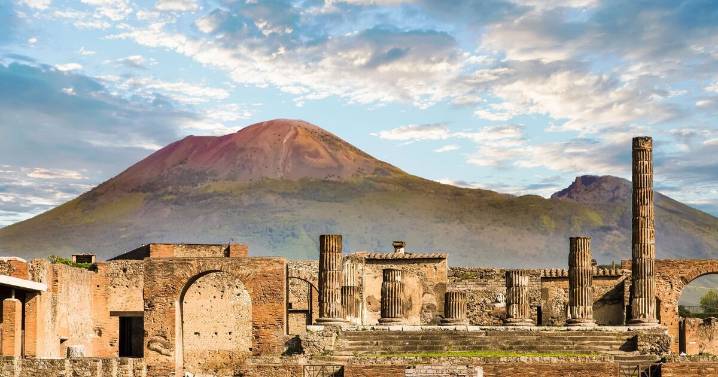
A construction site in Pompeii that was never completed is providing researchers with incredible insight into ancient Roman technology. It has revealed how builders were able to make concrete strong enough to shape an empire that covered approximately 1.9 million square miles at its peak, stretching from Britain to North Africa and the Middle East, encompassing roughly 20% of the world's population at the time.
In fact, the discovery has uncovered techniques that make Roman concrete far more durable than many of its modern successors. The triumph of this concrete is still very much visible today, with many structures like bridges, aqueducts and public buildings still standing after nearly 2,000 years, including the Colosseum in Rome, France's Pont du Gard and the Tower of Hercul

 Raw Story
 CNN Business
 The Week
 America News