

 Daily Voice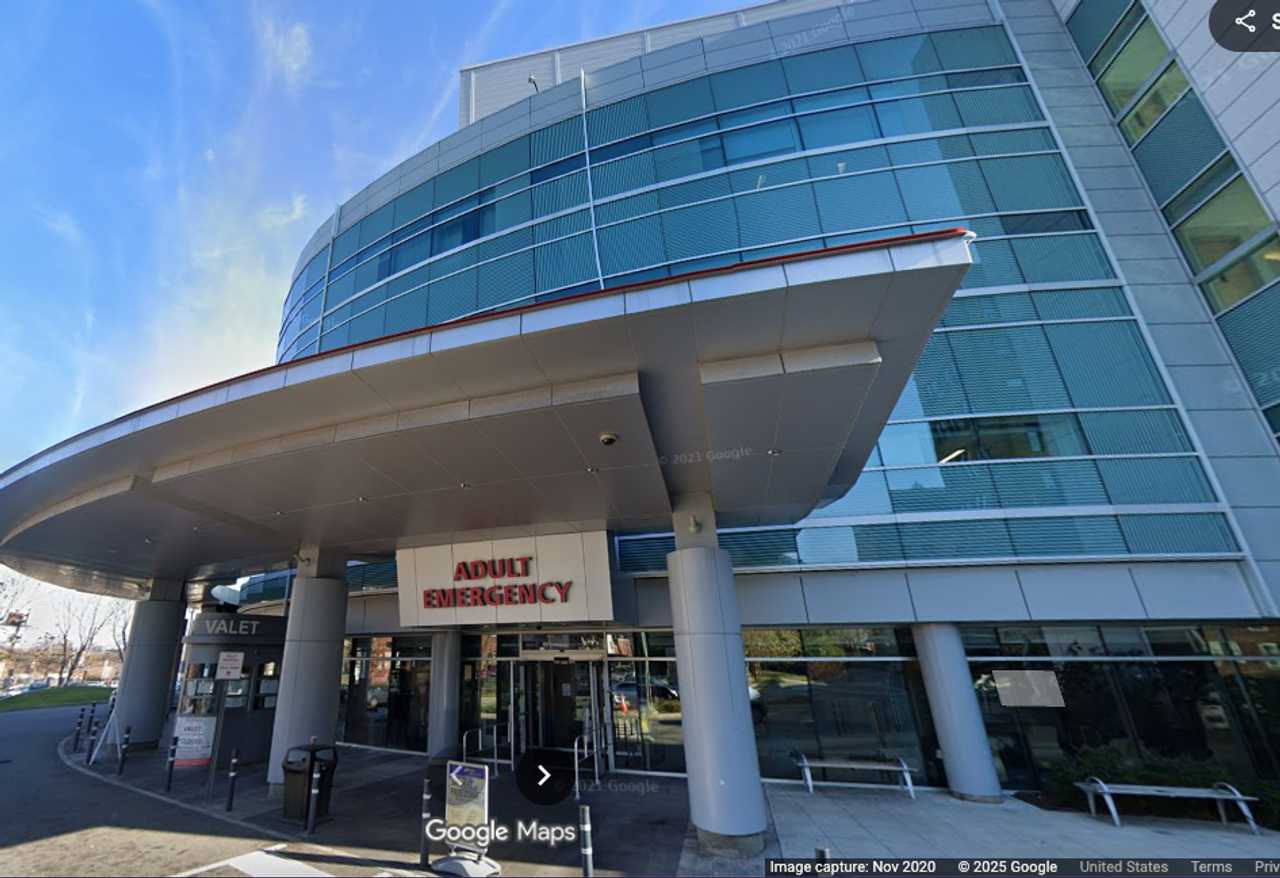
By Cecilia Levine From Daily Voice
A New Jersey hospital is notifying former patients after a patient died and subsequent state testing found Legionella bacteria in part of the facility’s water system, health officials said.
Testing by the New Jersey Department of Health found the presence of Legionella in the water supply of one contained area of St. Joseph’s University Medical Center in Paterson, according to St. Joseph’s Health. Hospital officials said the discovery prompted remediation measures and patient notifications.
“We have been working closely with state and local health officials after a patient was treated for multiple medical conditions and also tested positive for Legionella,” Dr. Joseph Duffy, chief medical officer of St. Joseph’s Health, said. “Unfortunately, due to the complex nature of this individual’s medical condition, the patient succumbed to the illnesses.”
St. Joseph’s Health said it is working in full coordination with state and local officials and is contacting patients who may have been affected.
Hospital officials said the risk to the public remains low.
“While we are taking immediate actions to remediate, there is minimal risk of contracting Legionnaires’ disease from the water supply; in addition, Legionnaires’ is not transmitted from person to person,” the statement said. “The safety of our patients, visitors, and staff remains our top priority, and we will continue to take every necessary step to ensure the safest environment of care possible.”
St. Joseph’s Health said the New Jersey Department of Health tested the hospital’s water system on Nov. 18, and found Legionella bacteria in a domestic water source contained to one area of the hospital. Officials said the hospital was notified of the results on Monday, Dec. 8, and took immediate steps to remediate the system.
The hospital is notifying 228 patients who were treated and discharged from the affected area between Nov. 27 and Dec. 8, officials said, so they can seek medical attention if symptoms develop.
Symptoms of Legionnaires’ disease can include cough, muscle aches, fever, shortness of breath, and headache, according to the health system. Less common symptoms include diarrhea, nausea, or confusion. Officials said most healthy people do not become ill after exposure, and the disease is not normally spread from person to person.
Earlier this year, The Leapfrog Group awarded both St. Joseph’s University Medical Center and St. Joseph’s Wayne Medical Center with “A”s for the Fall 2025 Hospital Safety Score, marking the third consecutive time that St. Joseph’s Wayne Medical Center has earned an “A” grade, and the second for St. Joseph’s University Medical Center.

 New York Post
 WEIS Radio
 Associated Press Top News
 Associated Press US News
 CNN
CNN ABC News
 Raw Story
 Live 5 News Crime
 People Top Story
 The Daily Beast