

 Kashmir Convener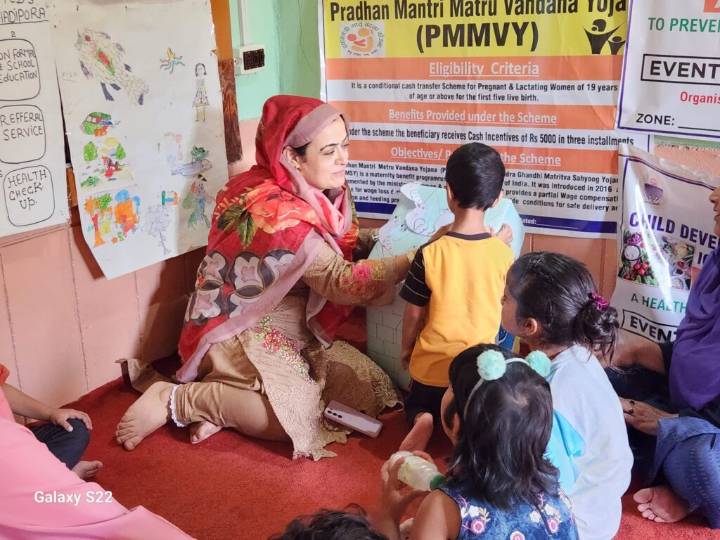
S A Lone
Kashmir’s winter is not merely a season; it is a profound social, environmental, and administrative force that shapes daily life, tests governance, and demands urgent attention to human vulnerability. Across India, early childhood care systems are increasingly being recognized for their climate sensitivity, with seasonal breaks, adaptive infrastructure, and community-based outreach ensuring that young children are protected from environmental extremes.
Yet in Kashmir, the valley’s harsh winter amplifies existing structural inequities: schools close for months under Chillai Kalan, safeguarding schoolchildren, while Anganwadi Centres remain operational in freezing, poorly insulated rooms, exposing preschool-aged children and their caregivers to cold, illness, and developmental neg

 Odisha TV
 TMZ
TMZ The Motley Fool