

 USA TODAY National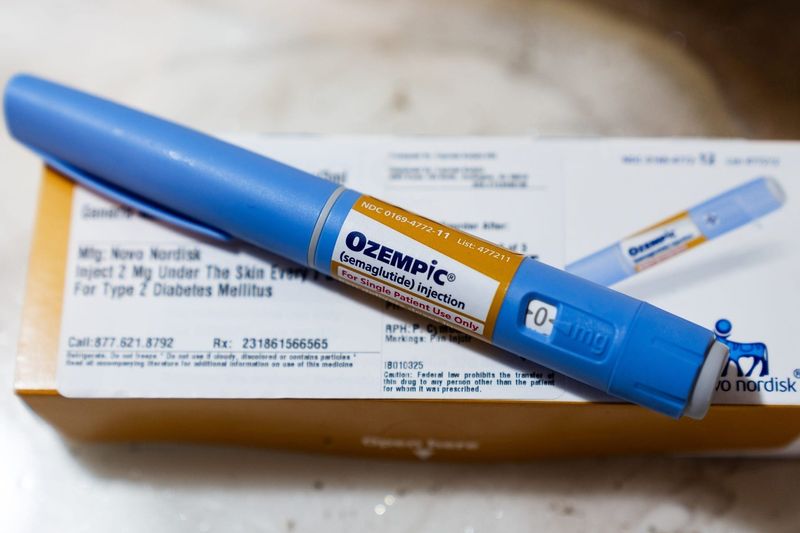
The World Health Organization on Monday issued its first guideline on the use of GLP-1 therapies for obesity, conditionally recommending them as part of long-term treatment for the condition, which affects more than 1 billion people globally according to the agency.
The guidance comes as demand for the class of drugs known as GLP-1 agonists has surged worldwide, and governments are figuring out how to include the blockbuster therapies into public health systems.
The first conditional recommendation advises the use of GLP-1 drugs by adults, except pregnant women, for long-term obesity treatment, while the second suggests interventions like a healthy diet and physical activity to be offered alongside the medicines.
WHO Director-General Tedros Adhanom Ghebreyesus said the new guidance "recognizes that obesity is a chronic disease that can be treated with comprehensive and lifelong care."
He added that although medication alone cannot solve this global health crisis, GLP-1 medication could help millions overcome this condition and reduce its associated harms.
Reuters first reported that the WHO was likely to take this step earlier this year.
The latest move builds on the agency's decision in September to add semaglutide and tirzepatide, active ingredients in Novo Nordisk's Ozempic and Eli Lilly's Mounjaro, to its essential medicines list for managing type 2 diabetes in high-risk groups.
The agency warned on Monday that the economic toll of obesity was rising sharply, with the annual global cost to reach $3 trillion by 2030.
WHO also stressed that access remains a major barrier. Even with rapid expansion in production, GLP-1 therapies are projected to reach fewer than 10% of those who could benefit, by 2030.
The latest guideline applies to adults with a Body Mass Index of 30 or higher and the recommendations are for three agents: semaglutide, tirzepatide and an older drug from the same class called liraglutide.
WHO said it will work with governments and stakeholders in 2026 to help prioritize access for people at the highest health risk.
Reporting by Mrinalika Roy in Bengaluru; Editing by Shinjini Ganguli
This article originally appeared on USA TODAY: World Health Organization recommends GLP-1s for obesity. There's a catch.
Reporting by Mrinalika Roy, Reuters / USA TODAY
USA TODAY Network via Reuters Connect

 Newsweek Top
 People Top Story
 CNN Politics
 The Daily Beast
 Northern Kentucky Tribune
 Associated Press Top News
 Foreign Policy
 ABC News
 IMDb Movies