

 Reuters US Economy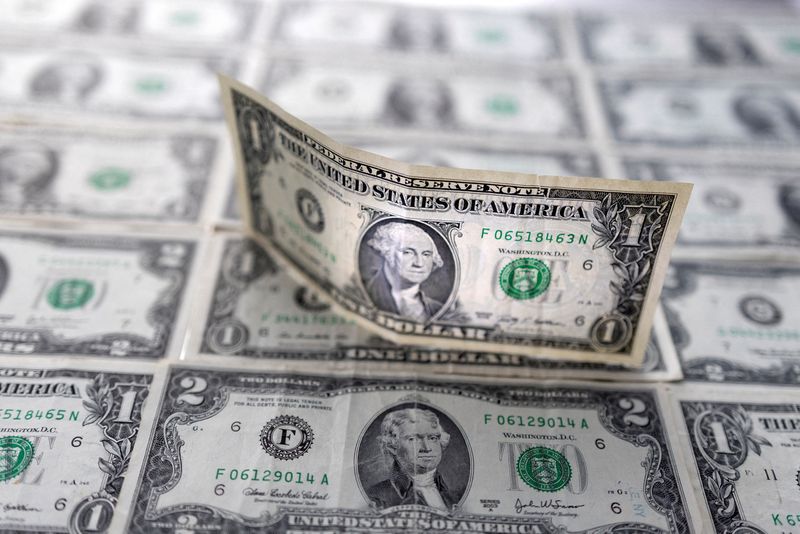
SINGAPORE, Dec 3 (Reuters) - The dollar was becalmed on Wednesday, as other assets hogged the limelight, though investors looking ahead to 2026 were starting to position for U.S. rate cuts to weigh on the greenback.
In morning trade, the Australian dollar touched a three-week high of $0.6576 before retreating a little after gross domestic product data was slightly below expectations.
Overnight the euro cleared its 50-day moving average, after euro zone inflation came in very slightly above expectations, and it bought $1.1629 early in the Asia session.
Moves were dwarfed by the sharp rebound for bitcoin that helped investors more broadly get in the mood for taking on a bit more risk. The biggest cryptocurrency by market value surged about 6% to top $91,000 overnight.
The Japanese yen was steady at 155.70 per dollar, with bets firming on an interest rate hike this month, in contrast with the U.S. where a cut is 85% priced in for the Federal Reserve's meeting next week.
Sterling was steady at $1.3222, as was the safe-haven Swiss franc at 0.8022 per dollar. The New Zealand dollar hovered at $0.5730. [NZD/]
Looking ahead expectations for some 90 basis points of U.S. rate cuts before the end of 2026 and the prospect of White House economic adviser Kevin Hassett being nominated as Fed chair have some investors turning bearish on the dollar.
Hassett, a former Fed senior economist, is deemed close to U.S. President Donald Trump's administration and in favour of faster reduction in U.S. interest rates. Trump said he would be announcing his pick as Fed chair early in 2026.
Deutsche Bank strategist Tim Baker this week said there is scope for a roughly 2% drop in the dollar through December, a month where the currency has tended to fall for a decade.
Analysts at Singapore's OCBC also see a weaker dollar into 2026 as U.S. cuts narrow a rate gap with the rest of the world.
"The thesis is pretty simple," said Spectra Markets President Brent Donnelly.
"The market is long dollars with a run-it-hot Fed Chair coming, an already bad fiscal situation, high nominal rates that are about to fall, a seasonal tendency for USD weakness, and interest rate differentials at the wides.
"I am going long EUR/USD and NZD/USD."
(Reporting by Tom Westbrook. Editing by Sam Holmes)

 America News
 Business of Home
 CNBC Investing
 The Cut
 Los Angeles Times Politics
 Vogue Runway
 The Fashion Spot
 NESN
NESN