

 Inside Precision Medicine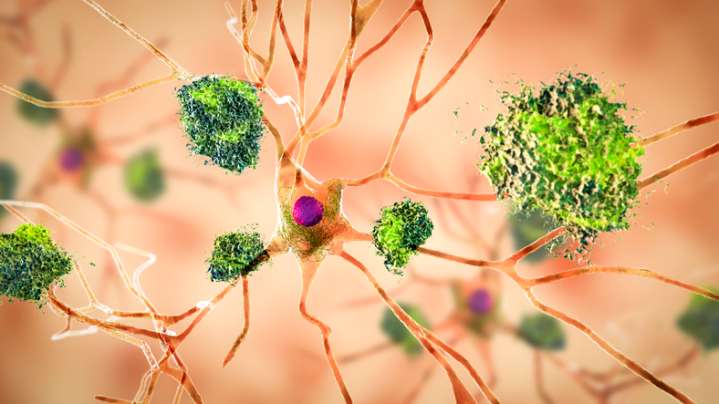
A team of investigators at Penn State College of Medicine reports the development of a new method that improves the mapping of genetic variants that influence the risk of neurodegenerative diseases. The method, published in Nature Communications , was created in response to long-standing challenges in connecting genome-wide association study data to specific changes in gene expression within the brain. The researchers sought a new approach because conventional bulk tissue studies mix many cell types together, and available single-cell datasets, although more precise, are small—especially for rare brain cell types that play important roles in conditions such as Alzheimer’s disease and amyotrophic lateral sclerosis (ALS) .
“There’s a lot of emphasis on data generation, but relativel

 Raw Story
 The Conversation
 Bozeman Daily Chronicle
 Associated Press US and World News Video
 The Babylon Bee
 CBS News
 KCRA News
 Orlando Sentinel Politics