

 America News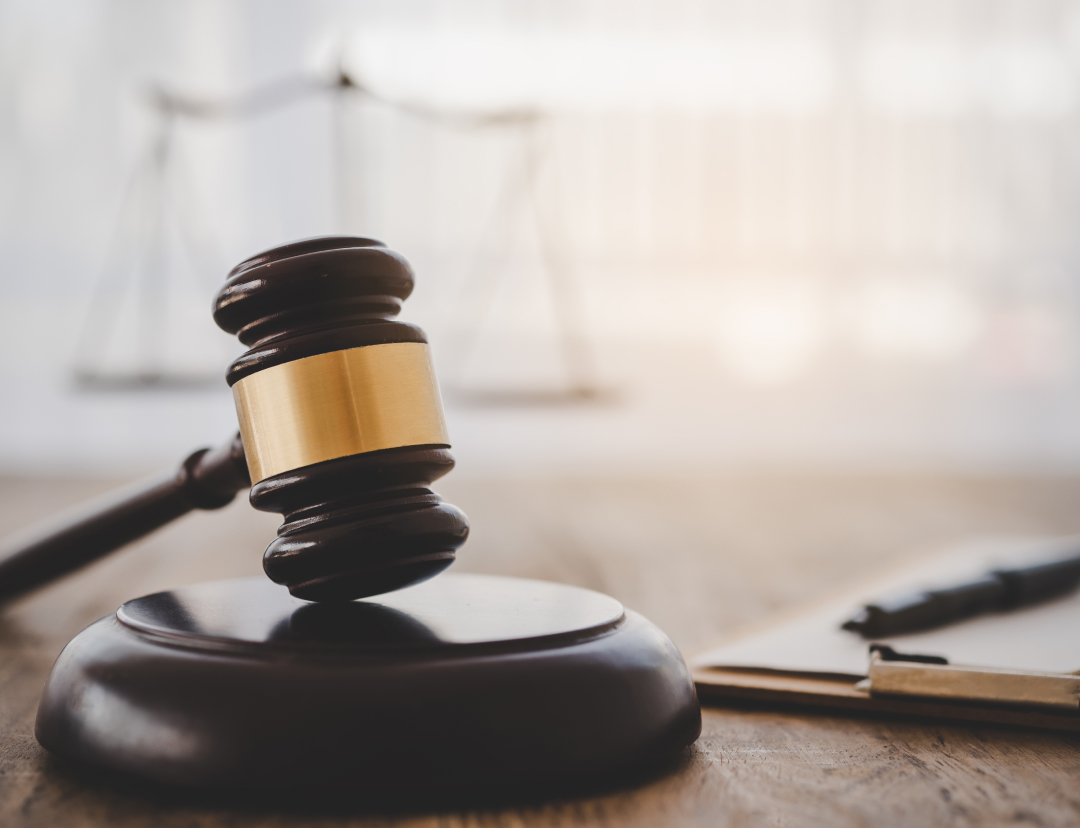
The Supreme Court announced on Friday that it will hear an expedited appeal regarding President Donald Trump’s executive order on birthright citizenship. This order seeks to declare that children born in the United States to parents who are in the country illegally or temporarily are not American citizens. The case is expected to be argued in the spring, with a ruling anticipated by early summer.
This marks the second time Trump’s birthright citizenship order has reached the Supreme Court. However, this time the justices will review the case on its merits. For over a century, U.S. courts and the government have interpreted the Constitution to grant citizenship to anyone born on American soil, regardless of the parents' legal status. Trump signed the order on January 20, the first day of his second term, as part of a broader immigration enforcement strategy.
The executive order has faced significant legal challenges. Lower courts have blocked its implementation, ruling that it is likely unconstitutional. The Supreme Court has previously limited the use of nationwide injunctions but did not rule out other court orders that could have nationwide implications.
The case under review originates from New Hampshire, where a federal judge issued a ruling in July that blocked the citizenship order in a class action lawsuit involving affected children. The American Civil Liberties Union is leading the legal representation for these children and their parents. Cecillia Wang, the ACLU's national legal director, stated, "No president can change the 14th Amendment’s fundamental promise of citizenship," expressing hope that the Supreme Court will resolve the issue definitively.
The Trump administration argues that children of noncitizens are not "subject to the jurisdiction" of the United States and therefore should not be granted citizenship. D. John Sauer, a top lawyer for the administration, emphasized that the 14th Amendment was intended to grant citizenship to newly freed slaves and their descendants, not to children of undocumented immigrants.
Support for the administration's position comes from 24 Republican-led states and 27 Republican lawmakers, including Senators Ted Cruz and Lindsey Graham. The Supreme Court's decision on this matter could significantly impact the interpretation of the 14th Amendment and the longstanding practice of birthright citizenship in the United States.

 ABC News
 WAND TV
 WCCB Charlotte
 Local News in Pennsylvania
 Local News in D.C.
 Raw Story
 AlterNet
 @MSNBC Video