

 Yes Punjab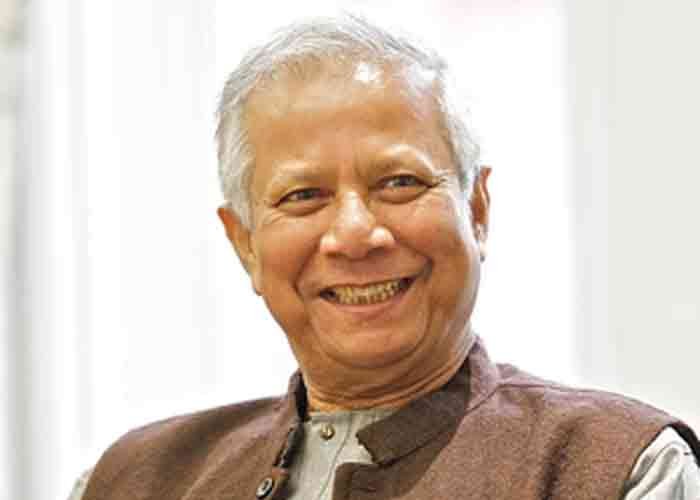
New Delhi, Dec 8, 2025
The persecution of journalists by the state is a grim reality across many authoritarian regimes—from Taliban-ruled Afghanistan to Myanmar, Belarus, Turkiye, and the Philippines. In such contexts, the press—often deemed the “fourth pillar of democracy”—is treated not as a watchdog, but as a threat. Bangladesh is also echoing this global trend.
After the fall of the Sheikh Hasina government on August 5, 2024, many viewed the rise of Nobel Laureate Dr Muhammad Yunus as a turning point. Backed by student protests and public sentiment, his appointment as Chief Adviser cum Prime Minister of the interim government was seen as a symbolic “second liberation,” especially for the country’s long-suffocated media.
But within months, that promise gave way to disillusionment. De

 The Times of India
 Hindustan Times
 The Hindu
 Ommcom News
 IMDb Movies
 TMZ Video
 CNN Business
 The Conversation