

 Reuters US Top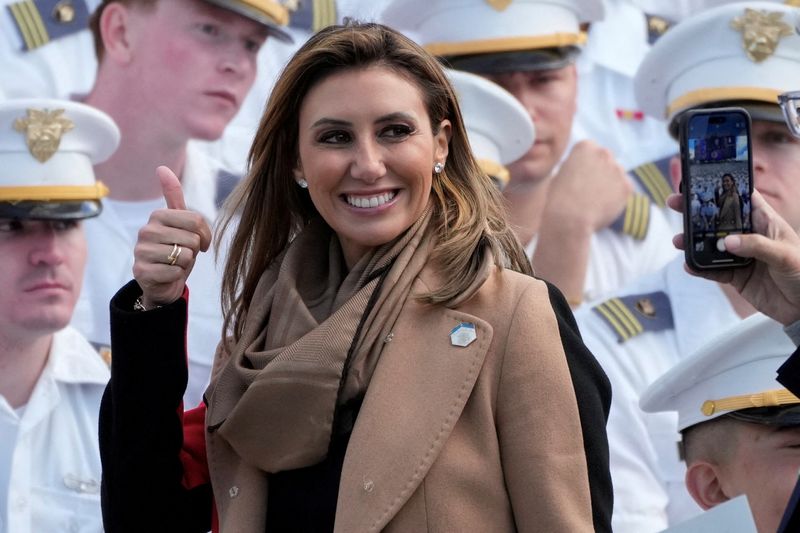
By Andrew Goudsward
WASHINGTON, Dec 8 (Reuters) - Alina Habba, a former lawyer to President Donald Trump whom he later installed as the top federal prosecutor in New Jersey, said on Monday that she was stepping down from the role after a federal appeals court found her appointment was unlawful and disqualified her from supervising cases.
Habba said in a statement posted on X that her resignation as acting U.S. Attorney for New Jersey was "to protect the stability and the integrity of the office," which faced months of uncertainty as legal challenges to her appointment played out.
"But do not mistake compliance for surrender," Habba said in the post.
Habba said she would take on a new role as senior adviser to Attorney General Pam Bondi, focusing on U.S. Attorneys around the country. The Justice Department named three lawyers to split leadership of the office in New Jersey.
A three-judge panel of the Philadelphia-based 3rd U.S. Circuit Court of Appeals ruled last week that the Trump administration violated a federal appointments law in naming Habba acting U.S. Attorney after judges on New Jersey's federal District Court declined to extend her 120-day interim appointment.
The Justice Department has not yet appealed the ruling, but Bondi said in a statement on Monday that it planned "to seek further review" of the decision and would reinstall Habba in the role if it were reversed. The department could ask either the U.S. Supreme Court or the full Third Circuit court to intervene.
The decision was the latest blow to the Justice Department's efforts to install close Trump allies in key U.S. Attorneys' offices without going through the traditional U.S. Senate confirmation process. It also reflected an ongoing clash between the Trump administration and courts that have blocked parts of its agenda.
Habba and Bondi both criticized federal judges in New Jersey for declining to extend Habba's appointment and pausing criminal cases after courts disqualified Habba from supervising them. Habba touted what she said was a decline in violent crime in major New Jersey cities and accused the courts of becoming "weapons for the politicized left."
Federal law allows federal trial courts to name a replacement if an interim U.S. Attorney is not confirmed by the Senate after 120 days in the post, which happened in Habba's case.
The three-judge panel that deemed Habba's appointment unlawful included two appointees of Republican President George W. Bush and one nominated by Democratic President Barack Obama.
(Reporting by Jasper Ward and Andrew Goudsward; Writing by Susan Heavey; Editing by Ryan Patrick Jones and Cynthia Osterman)

 WFIN News
 The American Lawyer
 NewsNation
 Raw Story
 Daily Voice
 Associated Press US News
 CBS News
 ABC News
 America News