

 AlterNet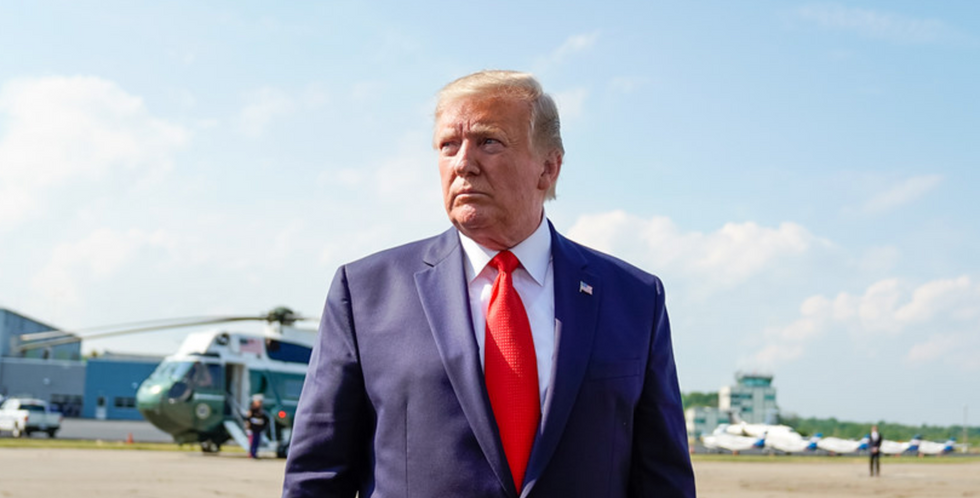
During a Tuesday, December 9 rally in Mount Pocono, Pennsylvania, President Donald Trump aggressively defended his economic record. Trump insisted that inflation is way down under his watch and claimed that he is making the United States "affordable again."
But the following day on MS NOW, Trump's economic record got a scathing critique from University of Michigan economics professor Justin Wolfers.
The Australian economist, who is originally from Sydney but now lives in the U.S., laid out a variety of ways in which Trump is hurting the economy during a Wednesday morning, December 10 appearance on Ana Cabrera's show.
Wolfers told Cabera, "Look, what I want, Ana, is for us to have honest conversations about the economy. Prices are rising; people feel that. Those are two realities. Another reality is that prices tend to rise in modern economies. It's called inflation. What we typically try to do is not get prices to fall, but get them to rise sufficiently slowly that you barely notice it. When the president says prices are falling, he's lying. When he says he's going to get prices down, he really shouldn't. Because the only way to get prices down is to crush the economy."
The United States, Wolfers added, needs to have "a mature and responsible conversation" about the economy — and Trump isn't offering that.
"Prices are rising," Wolfers told Cabrera, "and what we want from policy is for them to rise slowly — and for people to have an opportunity to get wage rises so that their overall quality of life can do more than keep up, actually get ahead…. I think there's a lot of pain out there right now. Often, we'd say that there's not much that a president can do to shape the economy, except this is a president who's given no deference at all to Congress. And so, the president has done a lot of things."
Wolfers continued, "Let's be clear. He's imposed tariffs…. We have mass deportations; that's making it very difficult for some parts of the economy, particularly agriculture and construction, to get the workers they want. We had the Big, Beautiful Bill, which is the largest redistribution of money from poor to rich in a single bill in American history. We've got the Obamacare subsidies expiring, which could lead to a big shock to the health insurance costs facing a lot of Americans. And we've had overall attempts to undermine Obamacare as well — as well as the loss of renewable energy subsidies and attacks on SNAP (the Supplemental Nutrition Assistance Program). So, if you want to see what's driving the affordability crisis, you don't need to look any further than the White House."

 Yuma Sun
 MPR News Politics
 WMUR TV
 CNN
CNN Salon
Salon CW39 Houston
 Raw Story
 Associated Press Top News