

 The Indian Express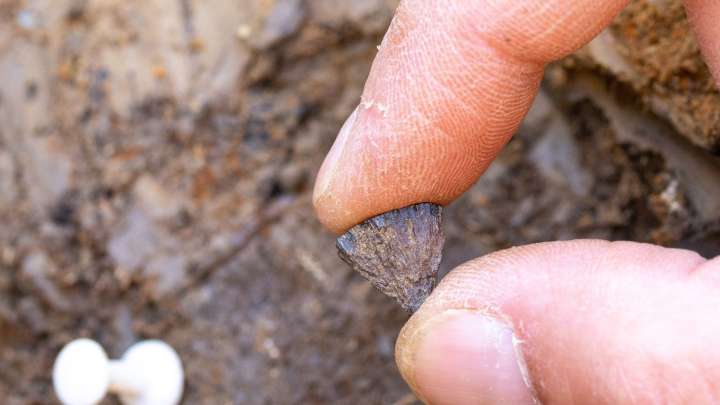
Some 400,000 years ago, in what is now eastern England, a group of Neanderthals used flint and pyrite to make fires by a watering hole — not just once, but time after time, over several generations.
That is the conclusion of a study published Wednesday in the journal Nature. Previously, the oldest known evidence of humans making fires dated back just 50,000 years. The new finding indicates that this critical step in human history occurred much earlier.
“A lot of people had a hunch that they were making fire at this date,” said Nick Ashton, an archaeologist at the British Museum and an author of the study. “But now we can convincingly say, ‘Yeah, this was the case.’”
From Charles Darwin on, biologists have looked upon the mastery of fire as a hallmark in the evolution of our species. E

 Republic World
 Telangana Today
 Moneycontrol
 Insider
 America News
 Verywell Health
 Raw Story
 CBS News
 The Fashion Spot