

 Associated Press US News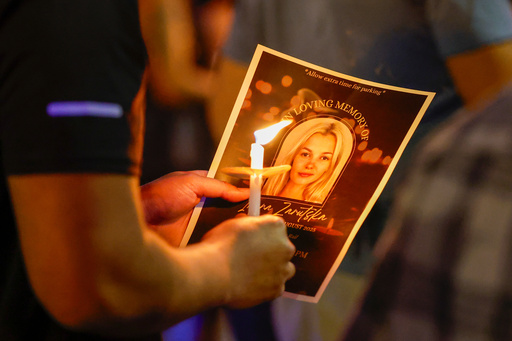
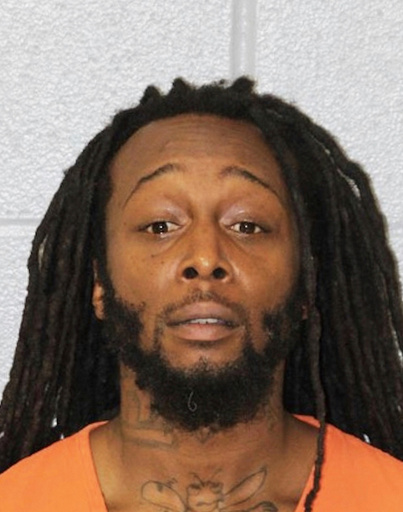
CHARLOTTE, N.C. (AP) — The man accused of killing a Ukrainian refugee on a commuter train in North Carolina’s largest city appeared in federal court on Thursday, as his attorneys seek a hearing to determine whether he is mentally incompetent to face the charge against him or possibly the death penalty.
Decarlos Brown Jr. and his attorneys made an initial court appearance in a Charlotte courtroom on the count of causing death on a mass transportation system. Shackled from his hands and ankles and wearing a jumpsuit, Brown kept his head up looking at U.S. District Judge Susan Rodriguez while she read the charge against him.
Authorities accuse Brown of stabbing 23-year-old Iryna Zarutska on the Charlotte light rail car in August, in an apparently random attack captured on video.
Brown is also charged with first-degree murder for Zarutska’s death in state court, but federal prosecutors stepped in after growing questions about why Brown was on the street despite more than a dozen prior criminal arrests. The cases are running parallel.
U.S. attorneys charged him on a criminal complaint in September, with an indictment following on the same count weeks later. Like the state case, Brown could face life in prison or the death penalty if convicted in federal court.
Rodriguez explained the possible penalties in court. Brown, who will remain held by authorities, didn't speak during the hearing. He was escorted out of the room at the hearing's close while looking back at people in the courtroom.
Brown’s attorneys filed a motion this week seeking for Brown to undergo a psychiatric explanation and a future hearing to determine his competency after a similar review on Brown for the state legal proceedings is completed, which the attorneys said likely will be by the end of January.
“Based on their meetings with Mr. Brown and their review of the available limited records and information, counsel have serious concerns about Mr. Brown’s ability to understand the nature and consequences of the proceedings against him or to assist properly in his defense,” the lawyers wrote.
Brown was arrested earlier this year after repeatedly calling 911 from a hospital, claiming people were trying to control him. A judge released him at the time without any bail. His mother told local media outlets that she had sought an involuntary psychiatric commitment this year after he became violent at home and that doctors had diagnosed him with schizophrenia. His next state court date is scheduled for April.
President Donald Trump’s administration has used the case to show how it thinks local leaders, judges and policies in Democratic-led cities like Charlotte are failing to protect their residents from violent crime.
Brown's lawyers also asked this week in a motion that a process begin for the court to consider whether Brown's case should be moved out of Charlotte to another location, writing that it has “been the subject of intense media and political attention.”
Zarutska had been living in a bomb shelter in Ukraine before coming to to the U.S. to escape the war, according to relatives, who described her as determined to build a safer life.
Another stabbing on Charlotte’s light rail last week reignited questions and accusations about train security and immigration.
A Honduran man was charged with attempted first-degree murder, assault with a deadly weapon and other counts for stabbing a man in the chest during a fight. The victim was hospitalized. The suspect had been deported twice and has previous convictions for robbery and illegal reentry, according to the Department of Homeland Security.
___
Robertson reported from Raleigh, North Carolina.

 People Top Story
 America News
 WEIS Radio
 Law & Crime
 New York Post
 Raw Story