

 AlterNet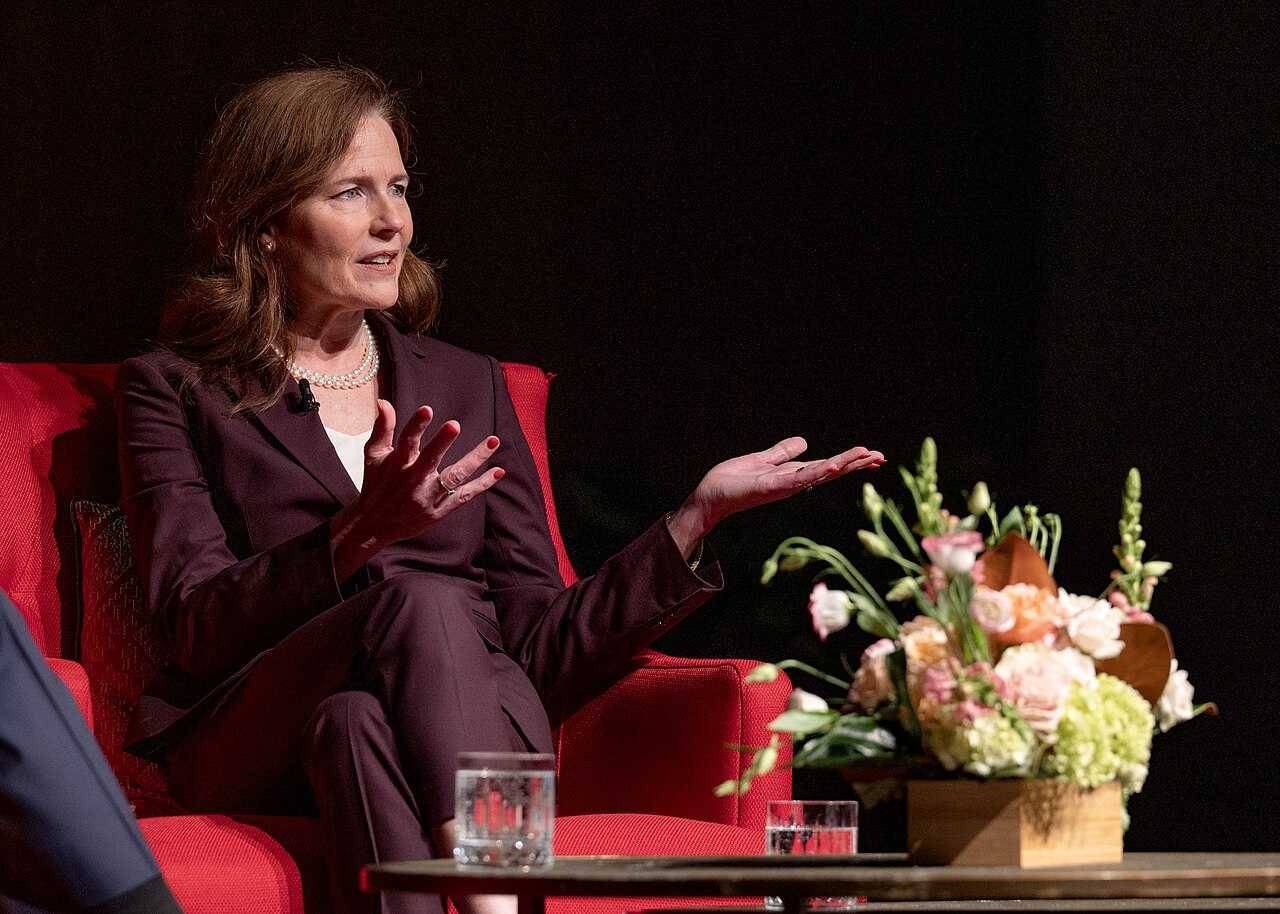
When the U.S. Constitution's First Amendment was adopted in 1791, the Founding Fathers were clear about two things: (1) freedom of religion would a Constitutional right, and (2) government would not favor one religion over another. The First Amendment states, "Congress shall make no law respecting an establishment of religion, or prohibiting the free exercise thereof."
The First Amendment is at the heart of Oklahoma Statewide Charter School Board v. Drummond, a case that finds the Religious Right at odds with a combination of liberals, progressives, and right-wing libertarians.
At issue in the case is whether or not religious charter schools can, under the Constitution, receive taxpayer dollars. The Oklahoma Supreme Court ruled "no," but when the case went to the U.S. Supreme Court in May 2025, it was a 4-4 split decision. Right-wing Justice Amy Coney Barrett, a Donald Trump appointee, could have been a tie-breaking vote but recused herself.
But according to The New Republic's Steve Kennedy, the justices may revisit the matter.
In an article published on December 11, Kennedy notes that the High Court "left intact a ruling from the Oklahoma Supreme Court that denied what would have been the nation's first publicly funded religious charter school, St. Isidore of Seville Catholic Virtual School."
"Because the Court did not reach the underlying constitutional questions," Kennedy explains, "the door remains ajar. And as news has emerged that the same legal apparatus that set up and represented St. Isidore is now organizing a Jewish charter school in Oklahoma, many observers see it as an attempt to push the same issue — this time with a majority of conservatives ready to strike down religious public funding bans across the country."
Kennedy continues, "At issue in Drummond were two significant constitutional questions. First: Are privately run charter schools state actors if they are publicly approved and funded? And second: If they are public, does the First Amendment's Free Exercise Clause prohibit a state from excluding religious schools from its charter school program — or does the Establishment Clause require it to exclude them?"
Kennedy notes that in Drummond, U.S. Supreme Court Justice Sonia Sotomayor was clear about the need to protect the separation of church and state. During oral arguments, the Barack Obama appointee said, "The essence of the Establishment Clause was: we're not going to pay religious leaders to teach their religion."
"However, the St. Isidore attorneys argued that excluding schools solely because of their religious natures violated the Free Exercise Clause," Kennedy notes. "Drawing on recent U.S. Supreme Court cases like Espinoza v. Montana Department of Revenue and Carson v. Makin, they argued that once a state offers a generally available public benefit, it cannot flatly exclude religious applicants on the basis of religion, and they contended that charter school status was such a public benefit. The Oklahoma Supreme Court rejected that argument in 2024, and because the U.S. Supreme Court split evenly on the issue, that ruling remains in place."
Read Steve Kennedy's full article for The New Republic at this link.

 CNN Politics
 OK Magazine