

 Inside Climate News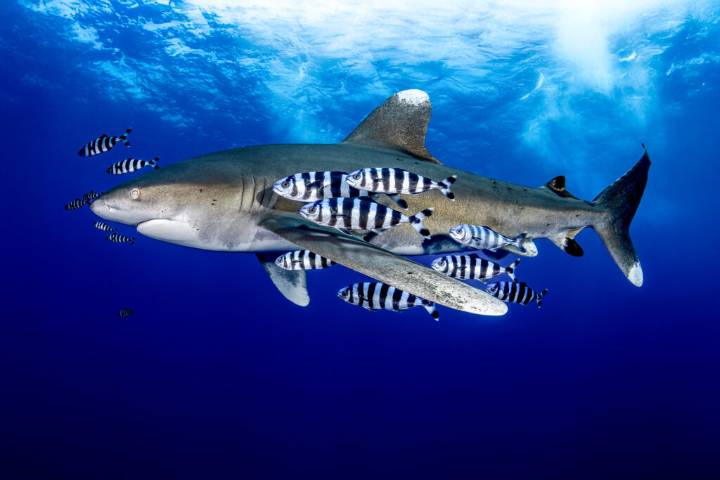
For the first time, global governments have agreed to widespread international trade bans and restrictions for sharks and rays being driven to extinction.
Last week, more than 70 shark and ray species, including oceanic whitetip sharks, whale sharks and manta rays, received new safeguards under the Convention on International Trade in Endangered Species of Wild Fauna and Flora. The convention, known as CITES, is a United Nations treaty that requires countries to regulate or prohibit international trade in species whose survival is threatened.
Sharks and rays are closely related species that play similar roles as apex predators in the ocean, helping to maintain healthy marine ecosystems. They have been caught and traded for decades, contributing to a global market worth nearly $1 billion

 Bozeman Daily Chronicle
 ABC News
 Raw Story
 New York Post Opinion
 AlterNet
 The Daily Beast
 RadarOnline
 The San Diego Union-Tribune Sports