

 AlterNet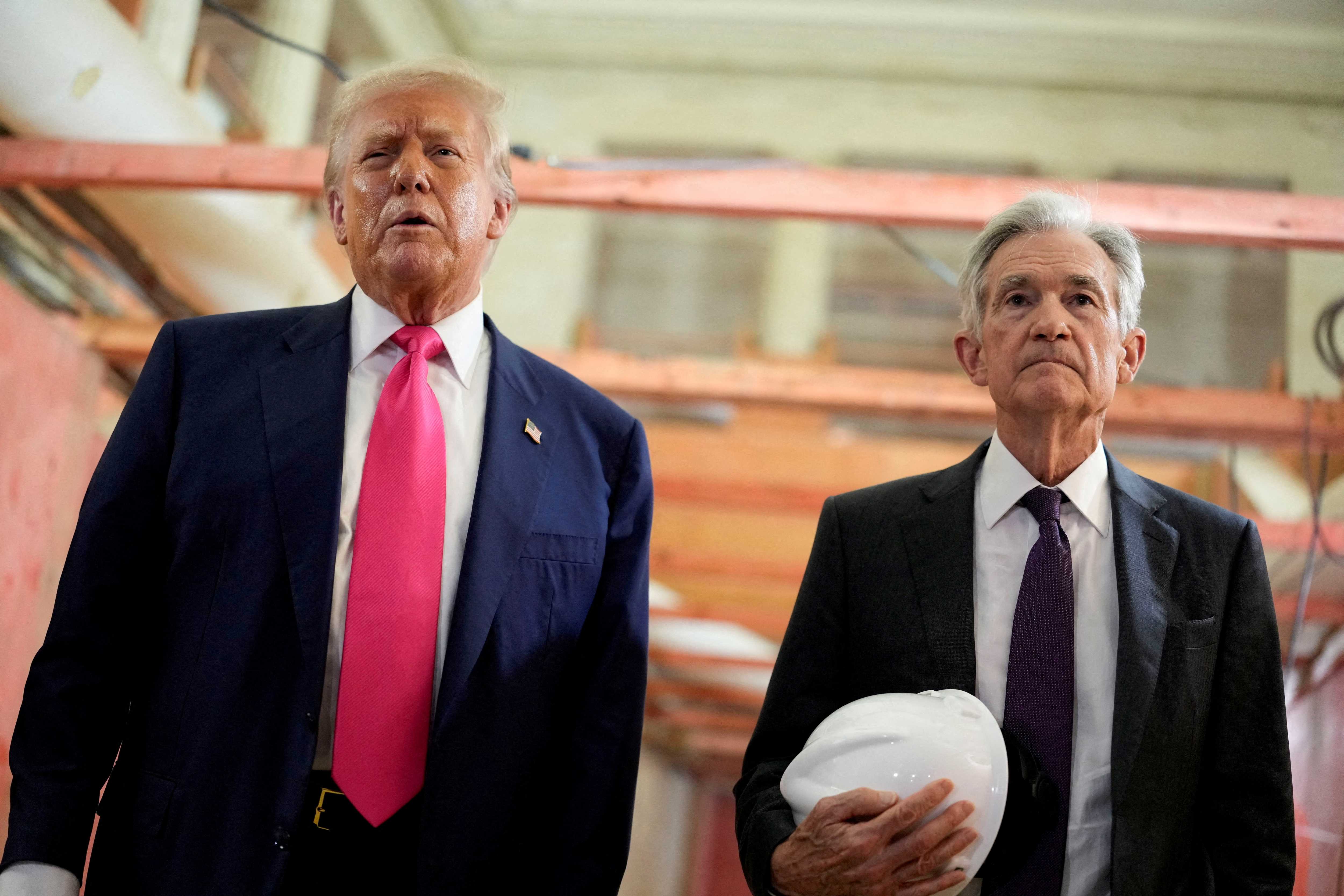
President Donald Trump continues to berate U.S. Federal Reserve Chairman Jerome Powell, whose term ends on May 15, 2026, for not lowering interest rates at a rapid pace. Powell is cutting interest rates slowly and gradually, but Trump wants major rate cuts in a hurry and is searching for a Fed chair replacement who will do exactly what he wants.
In an article published by the conservative website The Bulwark, former Washington Post columnist Catherine Rampell — now a weekend host on MS NOW — lays out some reasons why Trump's efforts to destroy the Fed's independence may be his "most damaging" economic policy of all.
"There are many items on President Trump’s agenda that are hurting the U.S. economy: the pointless trade wars, the socialization of the private sector, the mass deportations, and much more," Rampell warns. "But in the long run, the most damaging policy of all might be one that's gotten scant attention, at least from non-finance-nerds: Trump's quest to crush the Federal Reserve. If Trump succeeds, he may doom the United States to high inflation for years, if not decades, to come. Bullying the Fed has long been one of Trump's favorite pastimes."
Rampell continues, "Bullying the Fed has long been one of Trump's favorite pastimes. Way back in 2019, he called Jerome Powell, the Fed chair whom he had appointed the year before, an 'enemy.' He's continued the broadsides during his second term, repeatedly musing about firing Powell — including earlier this year."
The MS NOW host emphasizes that if Trump compromises the Fed's independence, he "could seize direct control of the money supply and turn America into Venezuela."
Under two leftist presidents — first the late Hugo Chavez, now Nicolás Maduro — Venezuela has suffered severe economic problems, a debased currency, major shortages of goods, and empty shelves in stores. And Rampell fears that the U.S. could suffer similar problems if Trump is able to fill the U.S. Federal Reserve with obedient loyalists who answer only to him.
"Countries with more independent central banks tend to have much better — i.e., lower — inflation outcomes," Rampell explains. "Likewise, there are plenty of examples of countries where politicians seized control of the money supply and decided to keep that delicious punch flowing. Venezuela, Argentina, Turkey, and pre-Euro Italy come to mind. But you don't need to venture very far geographically for a cautionary tale."
Rampell continues, "This same thing happened right here in the United States, when, in turn, Lyndon Johnson and Richard Nixon each leaned on the Fed to keep interest rates low. You may recall the painful stagflation that resulted in the 1970s. But if you're too young, ask your parents about it. Powell certainly remembers it."
Catherine Rampell's full article for The Bulwark is available at this link.

 CNN
CNN Associated Press US News
 Raw Story
 ABC News
 IMDb TV