

 JACOBIN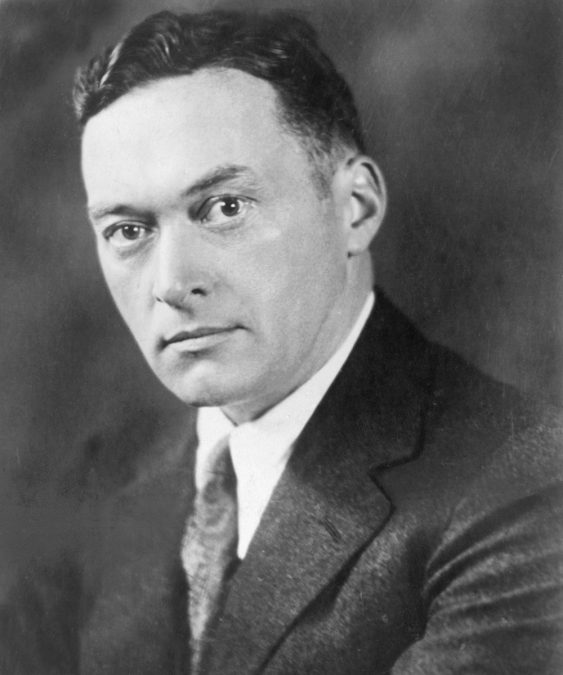
In April 1912, Walter Lippmann was feeling down. Four months earlier, he had taken what seemed to him like an exciting postcollegiate political gig: assistant to George Lunn, the newly elected Socialist mayor of Schenectady, New York, a city of about 75,000 people twenty miles northwest of Albany.
Lippmann’s hopes of witnessing a revolution from the ground up were soon dashed, as he found that his work entailed more paper pushing than Marxist theorizing. So Lippmann quit. In a letter he wrote to a Socialist Party colleague a year later, he reflected on his time in Schenectady. The problem, Lippmann argued, was that Lunn had been elected by a town of progressives who wanted him to pass progressive, not socialist, policies. Concerned about his own political future, Lunn was happy to oblige.

 AlterNet
 The Babylon Bee
 CBS News
 Associated Press US News
 The Daily Beast
 NBC News
 NFL New Orleans Saints