

 New York Post Food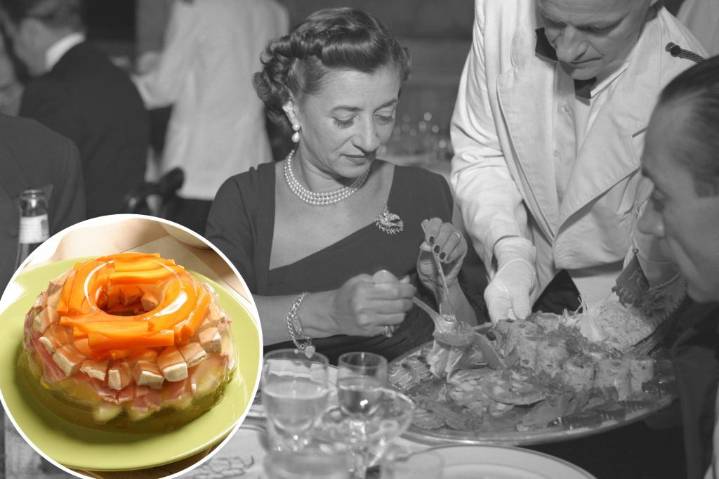
The humble Jell-O salad and its savory ancestor, aspic, are shaking up American kitchens and even getting a glossy, fine-dining revival.
Aspic originally began in medieval kitchens as a way to preserve meat using collagen-rich broths that solidified into savory jelly; it later evolved into a mid-century American status symbol, thanks to pastel Jell-O molds.
But by the 1970s , it fell out of fashion — remembered mostly as an odd mix of mayonnaise, olives and hot dogs suspended in wobbling gelatin.
“In the 1950s, gelatin dishes signified modernity, abundance and a hint of status tied to refrigeration and convenience,” Jessica Randhawa, a California chef and owner of the food blog The Forked Spoon, told Fox News Digital.
“Today, I view gelatin dishes as a novelty and a source of nos

 The Newport Daily News
 Savannah Morning News
 Orlando Sentinel Entertainment
 Tribune Chronicle Community
 Jewish Exponent
 PaperCity Magazine
 AlterNet
 Raw Story