

 The Intercept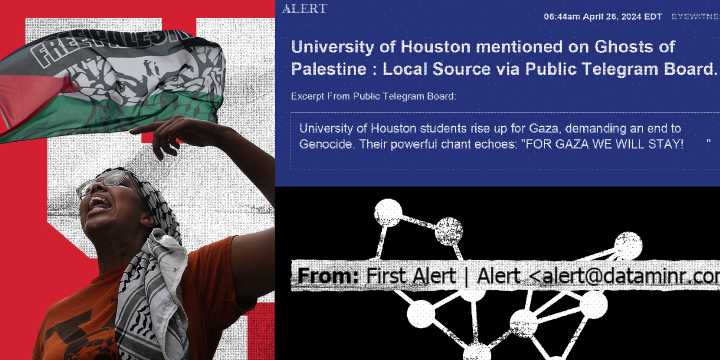
A cluster of tents had sprung up on the University of Houston’s central lawn. Draped in keffiyehs and surrounded by a barricade of plywood pallets, students stood on a blue tarp spread over the grass. Tensions with administrators were already high before students pitched their tents, with incidents like pro-Palestine chalk messages putting university leaders on high alert.
What the students didn’t know at the time was that the University of Houston had contracted with Dataminr, an artificial intelligence company with a troubling record on constitutional rights , to gather open-source intelligence on the student-led movement for Palestine. Using an AI tool known as “First Alert,” Dataminr was scraping students’ social media activity and chat logs and sending what it learned to univers

 Raw Story
 Local News in New York
 America News
 AlterNet
 Reuters US Business
 Verywell Health
 Oh No They Didn't