

 Gizmodo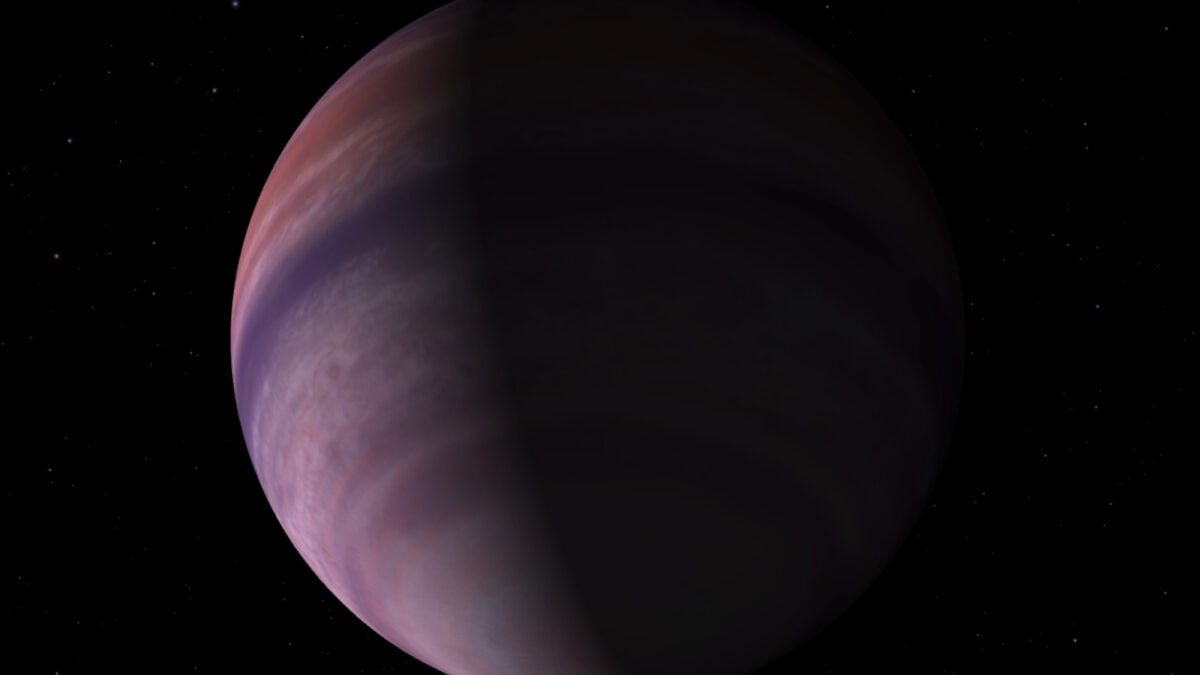
In September, NASA officially confirmed the existence of a whopping 6,000 exoplanets—a feat so impressive that it’s bizarre to think that, by contrast, the number of confirmed exomoons tallies up to, well, zero. But that imbalance may shift soon if a new proposal by astronomers ends up being as effective as they claim.
An upcoming Astronomy & Astrophysics paper describes how astronomers devised and utilized a novel, alternative approach for identifying exomoons, which successfully turned up a promising exomoon candidate orbiting HD 206893 B , a Jupiter-like exoplanet located about 133 light-years from Earth. Specifically, the team repurposed high-precision astrometry —a mathematical approach to mapping out stellar distances—to carefully evaluate any and all signals near the exoplane

 TechCrunch
 TIME
TIME WTOP
WTOP Oh No They Didn't
 Vogue Culture US
 The Scioto Post
 Mediaite
 CBS Colorado Politics
 Daily Kos
 NBC News NFL