

 Reuters US Top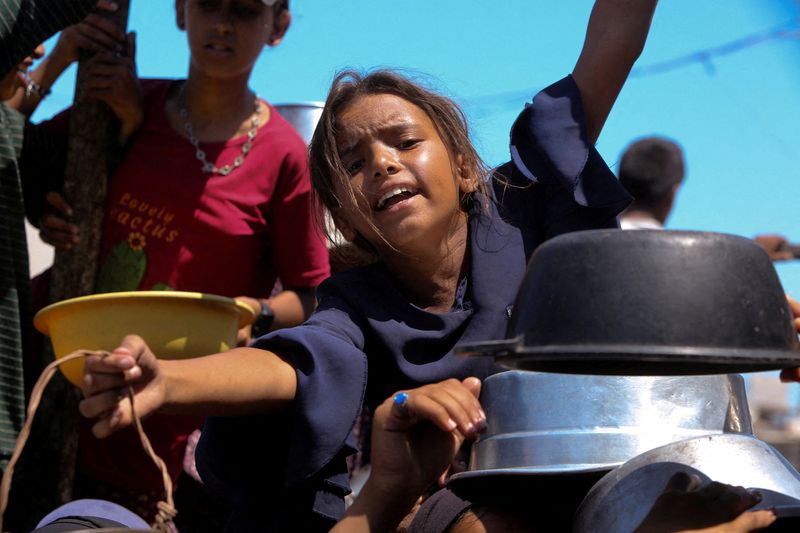
GENEVA, Dec 8 (Reuters) - The United Nations on Monday appealed for an aid budget only half the size of what it had hoped for this year, acknowledging a plunge in donor funding at a time when humanitarian needs have never been greater.
By its own admission, the $23 billion U.N. appeal will shut out tens of millions of people in urgent need of help as falling support has forced it to prioritise only the most desperate.
The funding cuts come on top of other challenges for aid agencies that include security risks to staff in conflict zones and lack of access.
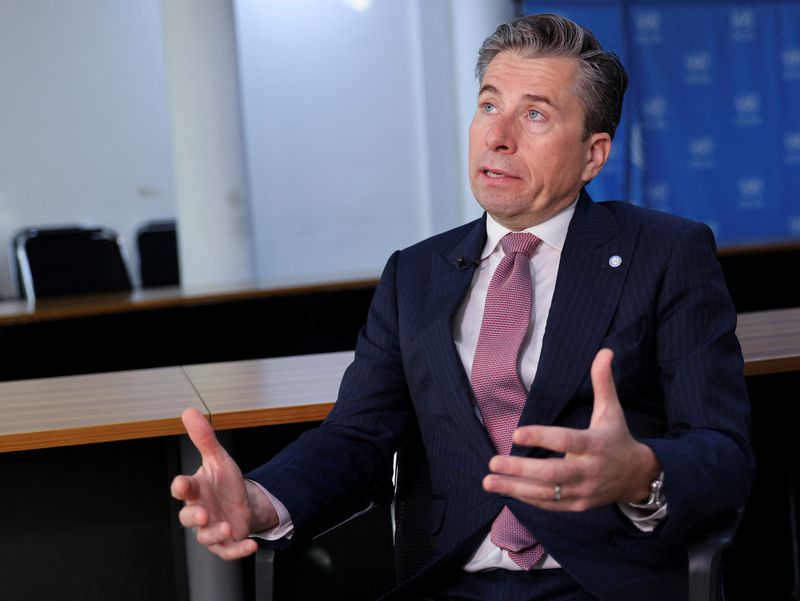
"It's the cuts ultimately that are forcing us into these tough, tough, brutal choices that we're having to make," U.N. aid chief Tom Fletcher told reporters.
"We are overstretched, underfunded, and under attack," he said. "And we drive the ambulance towards the fire. On your behalf. But we are also now being asked to put the fire out. And there is not enough water in the tank. And we're being shot at."
A year ago, the U.N. sought some $47 billion for 2025 - a figure that was later pared back as the scale of aid cuts by U.S. President Donald Trump as well as other top Western donors such as Germany began to emerge.
November figures showed it had received only $12 billion so far, the lowest in 10 years, covering just over a quarter of needs.
Next year's $23 billion plan identifies 87 million people deemed as priority cases whose lives are on the line. Yet it says around a quarter of a billion need urgent assistance, and that it will aim to help 135 million of them at a cost of $33 billion - if it has the means.
The biggest single appeal of $4 billion is for the occupied Palestinian territories. Most of that is for Gaza, devastated by the two-year Israel-Hamas conflict, which has left nearly all of its 2.3 million inhabitants homeless and dependent on aid.
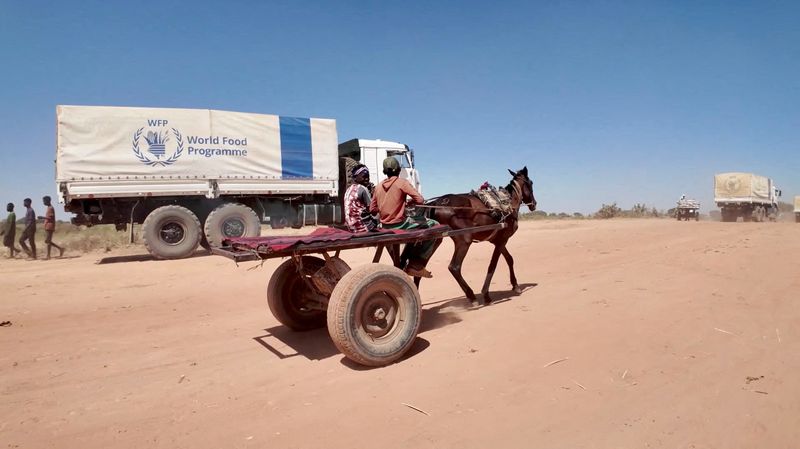
Second is Sudan, followed by Syria.
Fletcher said humanitarian groups faced a bleak scenario of growing hunger, spreading disease and record violence.
"(The appeal) is laser-focused on saving lives where the shocks hit hardest: wars, climate disasters, earthquakes, epidemics, crop failures," he said.
U.N. humanitarian agencies are overwhelmingly reliant on voluntary donations by Western donors, with the United States by far the top historical donor.
U.N. data showed it continued to hold the number one spot in 2025 despite Trump's cuts but that its share had shrunk from over a third of the total to 15.6% this year.
(Reporting by Emma Farge; Editing by Aidan Lewis)

 America News
 Chicago Tribune Politics
 Reuters US Domestic
 Raw Story