

 National Geographic Science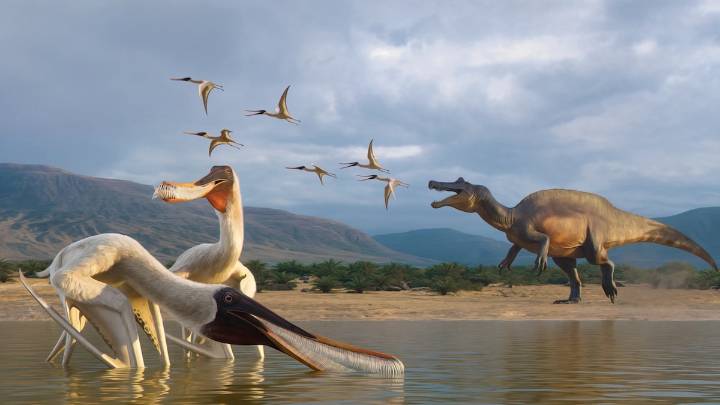
One day 110 million years ago, in what’s now Brazil, a dinosaur had to get something off its chest. Small, pokey bones had massed inside the animal’s digestive tract, getting in the way of munching on fish and other snacks. The carnivore voided the stinky lump from its throat, just like modern owls jettison pellets of massed bone and hair from their small prey. Sediment eventually covered the blob. It fossilized and was encapsulated in stone until it was recently uncovered by paleontologists. Inside were the bones of a flying reptile no one had even seen before.
Time spent in the jaws and digestive system of a meat-eating creature was not kind to its meal’s skeleton. Despite their rough journey into the fossil record, however, the bones (mostly jaws and teeth) were well-preserved enough t

 Orlando Sentinel Politics
 America News
 Verywell Health
 Raw Story