

 National Geographic Science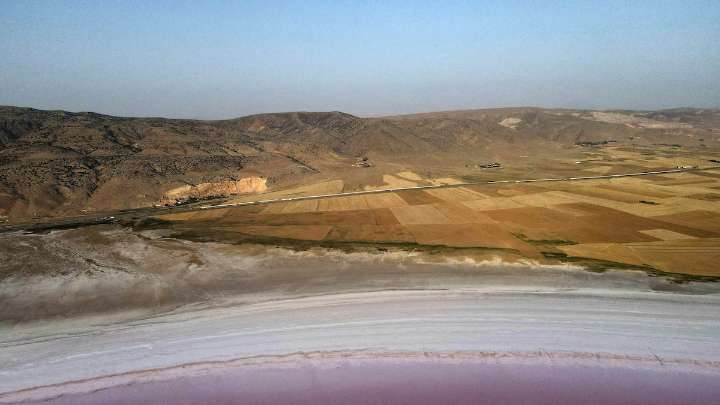
On a dusty August afternoon in Anatolia, Niğmet Sezen and Ali Erefe stand on the edge of a concrete dock that looks out onto fields of dried thistles and scrubby grass, a hot wind whistling through the plain. Far in the distance, two sky-blue objects perch in the middle of the field, almost too far from where Niğmet and Ali stand to see clearly. But they know exactly what they are looking at: abandoned rowboats, adrift in the middle of a vast grassland that not so long ago was a lake.
Marmara Lake once spread across 17.2 square miles in Türkiye’s southwest province of Manisa. Tourists came from around the country to boats on its waters, which were flush with nearly 20,000 birds —great white pelicans, whiskered terns, cormorants, flamingoes. But in 2011, the lake began to dry up, a

 The Conversation
 CBS News
 Totalprosports
 New York Post
 RadarOnline
 MENZMAG