

 Daily Voice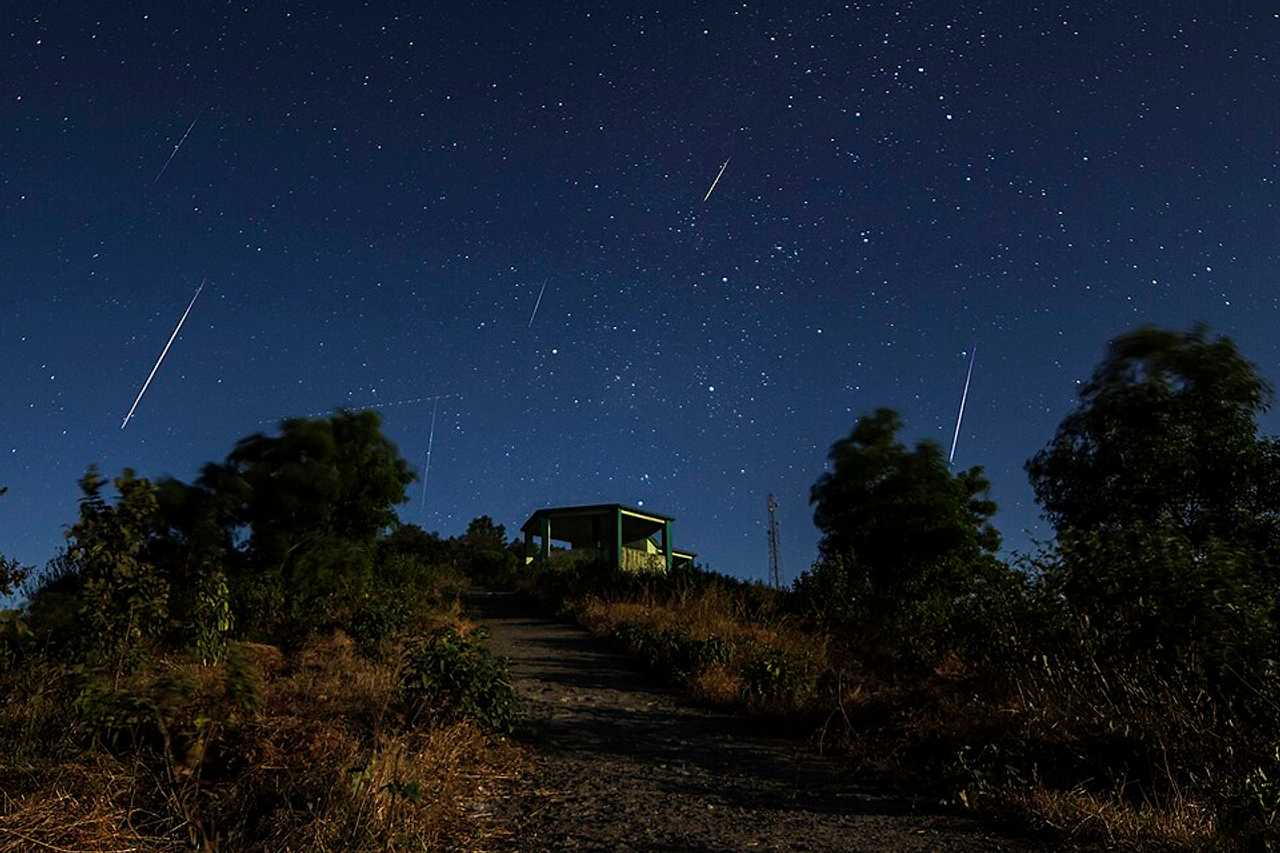
By Joe Lombardi From Daily Voice
Stargazers could be in for one of the brightest celestial shows of the year, with a nighttime display building toward its most dramatic moment.
The event is already underway, but its strongest burst is still ahead — offering ideal conditions for anyone hoping to catch streaks of light across the sky.
The Geminids meteor shower will reach its peak overnight from Saturday, Dec. 13, into Sunday, Dec. 14. The shower has been active since earlier in December and is expected to produce some of its most vivid activity during the peak window. Viewing prospects are especially strong this year, thanks to minimal moonlight during the early nighttime hours.
NASA notes that Geminid meteors tend to appear earlier in the evening than many other major showers, making the display accessible for families and casual skywatchers.
Activity typically begins between 9 p.m. and 10 p.m. local time, then intensifies through the night. The highest rates occur around 2 a.m. when the shower’s radiant point climbs highest in the sky.
Under dark conditions, viewers may see dozens of meteors per hour, and those in areas far from city light pollution may catch more than 100. The Moon will be a waning crescent and will not rise until around 2 a.m., allowing several hours of dark sky before its light becomes noticeable.
For the best experience, experts recommend choosing a dark location, bringing a blanket or reclining chair, and allowing at least 30 minutes for the eyes to adjust to the darkness. Looking slightly away from the constellation Gemini or overhead can help reveal longer, brighter meteor trails. Avoiding phone screens can also improve visibility.
Unlike many annual showers that come from comets, the Geminids originate from debris shed by the asteroid 3200 Phaethon. That material burns up as it enters Earth’s atmosphere, creating the bright streaks known as “Gems.”
NASA, Space.com, and other skywatching resources note that patience is key. The show builds gradually, and viewing conditions vary widely depending on weather and light pollution. Still, with clear skies and darkness, observers across the US have an opportunity to witness one of the strongest meteor displays of the year.

 The Hill
 WNCN North Carolina
 9WSYR
9WSYR SouthCoastToday
 Political Wire
 AlterNet
 Atlanta Black Star Entertainment
 Blaze Media
 Raw Story
 NFL Baltimore Ravens
 Desert Sun Sports
 Totalprosports