

 Daily Voice
By Joe Lombardi From Daily Voice
A new warning from global health experts is raising alarms about the potential for a bird flu pandemic that could outpace the devastation of COVID-19, if the H5N1 virus mutates to spread easily between people.
The H5N1 strain has a history of causing severe illness in humans, with a global death rate of about 48 percent between 2003 and 2025, based on nearly 1,000 cases reported to the World Health Organization (WHO). That’s a stark contrast to COVID, which has a mortality rate of around one to two percent.
Unlike COVID, which mainly threatened older adults and those with underlying conditions, a severe bird flu pandemic could kill healthy individuals, including children.
The population has no existing antibodies against the H5 virus type, leaving most people vulnerable if the virus adapts for human-to-human transmission.
"What we fear is the virus adapting to mammals, and particularly to humans, becoming capable of human-to-human transmission, and that virus would be a pandemic virus," Marie-Anne Rameix-Welti, medical director at the Paris-based Institut Pasteur's Respiratory Infections Centre, told Reuters.
The virus is already widespread among wild birds and has jumped to mammals like dairy cows and pigs, creating more chances for it to mutate.
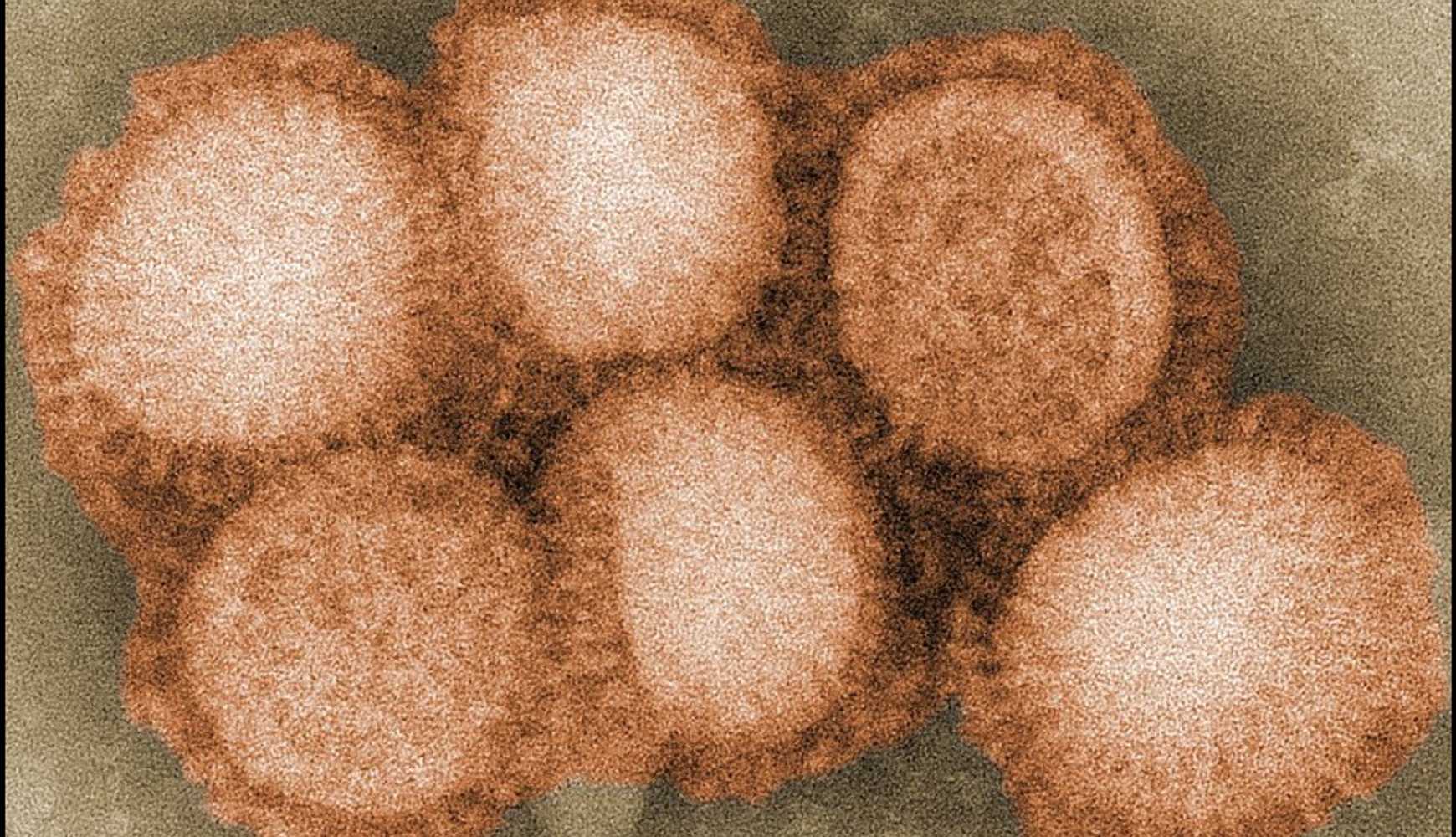
Avian influenza, commonly referred to as bird flu.
To date, human infections have been rare and are typically linked to direct contact with animals. Sustained human-to-human transmission has not occurred, and health officials say the overall pandemic risk remains low for now.
Health agencies, including the CDC, are closely monitoring the virus for any genetic changes that could signal a shift in its ability to spread easily among humans. The world is also better prepared than it was before COVID, with vaccine candidates and antiviral medications ready if needed.
The severe impact scientists warn about would only materialize if the virus gains the ability to spread efficiently between people.

 WNNY-TV
 New York Post
 The Bronx Daily
 New York Daily News Crime
 NEWS10 ABC
 The List