

 USA TODAY National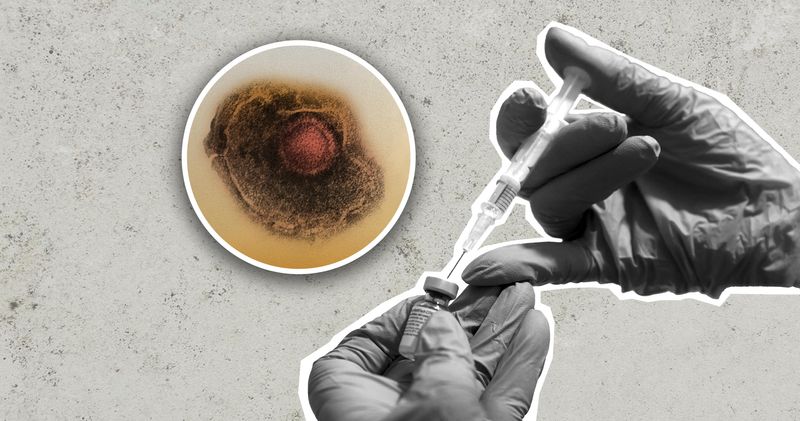
A new study suggests the shingles vaccine may lower the likelihood of developing dementia as well as slow its progression in people who have already been diagnosed with the disease.
Researchers are finding more evidence that certain herpes viruses, such as shingles, which can infect the nervous system, might play a role in causing dementia.
An initial study published in Nature and a follow-up study conducted by Stanford Medicine, published in the journal Cell on Dec. 2, show the shingles vaccination may also have therapeutic benefits against dementia by reducing the disease's progression and lowering the chance of dying from it.
For those battling dementia, these findings are promising. Dementia cases have been predicted to increase in the coming years, according to a study released in 2024, which states the lifetime risk of dementia could rise to 42% after age 55 − a much faster rate than anticipated.
Unable to view our graphics? Click here to see them.
“We see an effect on your probability of dying from dementia among those who already have dementia,” Dr. Pascal Geldsetzer, assistant professor of medicine at Stanford University and senior author of the most recent study, said of the potential effects of the shingles vaccine in a recent interview with CNN.
“That means that the vaccine doesn’t just have a preventive potential, but actually a therapeutic potential as a treatment, because we see some benefits already among those who have dementia,” he said. “To me, this was really exciting to see and unexpected.”
The link: Shingles and dementia
The varicella-zoster virus is a type of herpes virus that causes both chickenpox and shingles. The virus stays dormant in the body after a person has fully recovered from chickenpox. The shingles virus often doesn't cause any more issues, but it can reappear years later and cause shingles, a painful rash, according to the Centers for Disease Control and Prevention.
The CDC estimates that about 1 in every 3 people in the United States will develop shingles in their lifetime. Shingles can be prevented by getting the two-dose vaccine, which is about 90% effective in preventing shingles in the elderly. The CDC recommends getting the vaccine when you turn 50.
The study results support the growing theory that viruses affecting the brain's function may raise the risk of dementia. Dementia affects over 55 million people worldwide, according to Alzheimer's Disease International.
Scientists suspect that the shingles vaccination may help by preventing the reactivation of dormant viruses like varicella zoster and herpes simplex, which are thought to contribute to brain inflammation and the accumulation of dangerous proteins linked to dementia. How that works is still unknown.
Another theory is that the vaccine may strengthen the immune system more broadly, preventing immunological deterioration as people age, according to Cardiff University in Wales.
The scientists note that more research is necessary to confirm the results and gain a deeper understanding of how the vaccine affects brain health.
This article originally appeared on USA TODAY: Shingles vaccine may slow, prevent dementia progression, study finds
Reporting by Janet Loehrke, USA TODAY / USA TODAY
USA TODAY Network via Reuters Connect
 Martinsburg Journal
 New York Post
 NHPR Crime
 The Atlantic
 People Top Story
 The Post and Courier
 San Bernardino Sun
 Psychology Today
 Verywell Health
 New York Post Health
 CBS Colorado Politics