

 CNET
CNET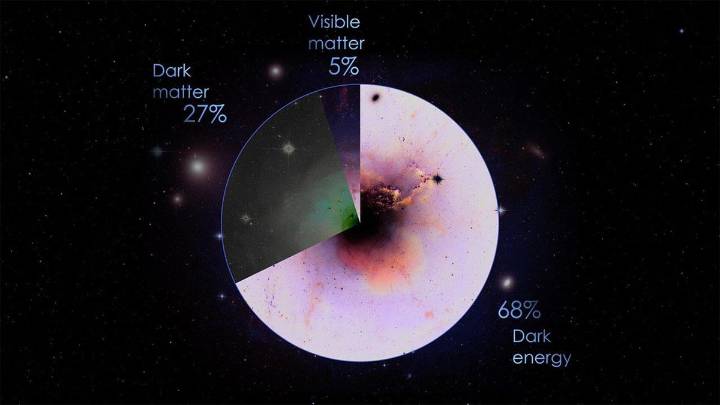
The universe is packed with riddles, but few are as stubborn—or as fascinating—as dark matter. First proposed in 1933 by astronomer Fritz Zwicky, this elusive substance refuses to play by the rules: it doesn't shine, absorb, or interact with light in any way. In fact, we can't see it at all. And yet, its invisible pull shapes galaxies, hinting that something massive—and mysterious—is out there.
After nearly 100 years, and with help from NASA's Fermi Gamma-ray Space Telescope, researchers may have finally "seen" dark matter for the first time.
If this proves to be true, it'll be a significant development for science. Dark matter's ability to hide in plain sight is legendary. It can't be seen by any tool humans have ever made because dark matter can't emit, absorb or reflect light of any k
 NewsNation
 Reuters US Business
 Insider
 New York Post
 WMUR Sports
 Raw Story
 ABC News
 Reuters US Economy