

 Daily Voice
By Chris Spiker From Daily Voice
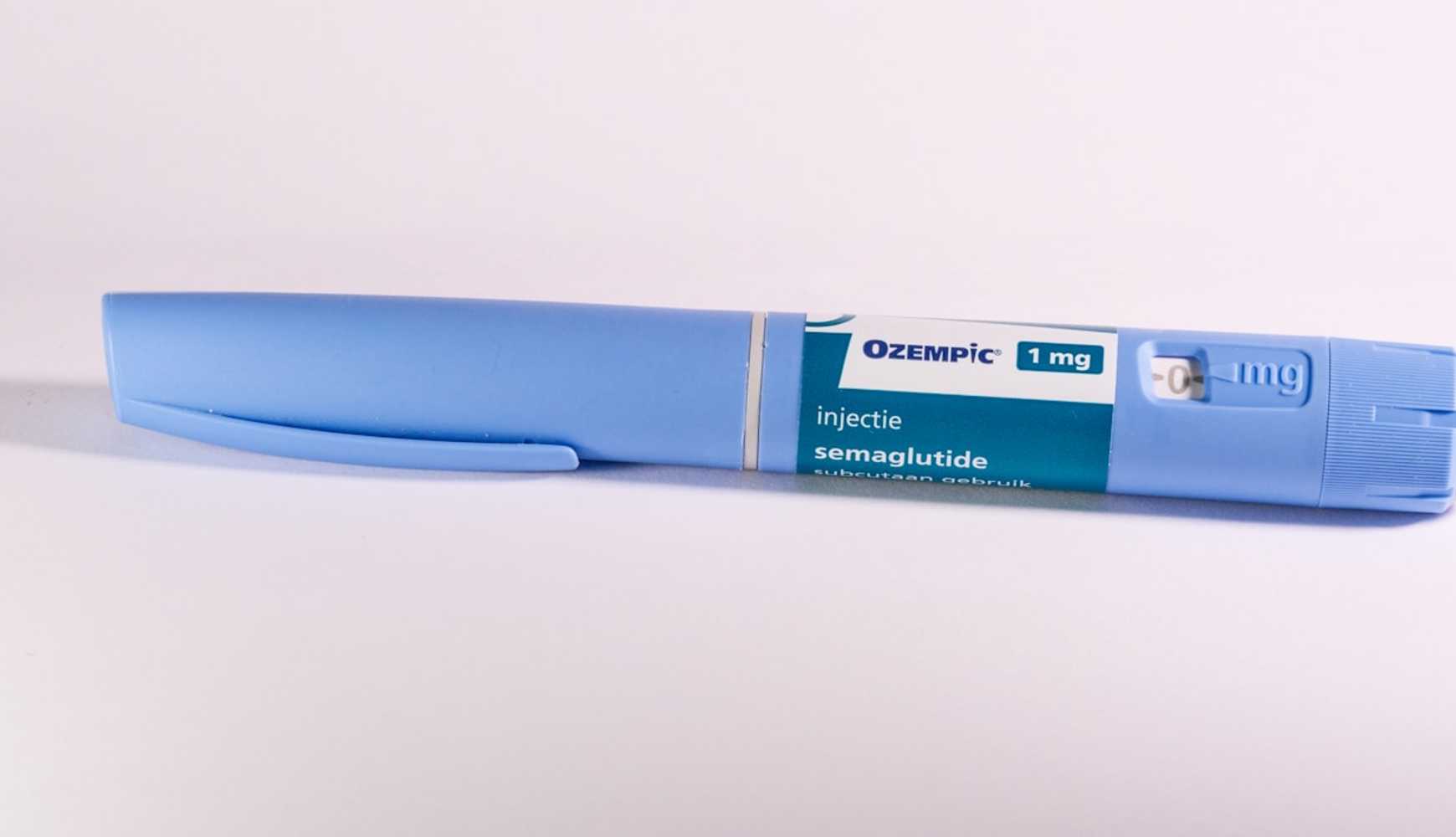
The World Health Organization is officially backing popular weight-loss drugs like Ozempic and Wegovy.
The WHO published new guidelines about glucagon-like peptide-1 (GLP-1) medications in the medical journal JAMA on Monday, Dec. 1. GLP-1 therapies are a class of drugs that mimic a hormone to curb someone's appetite and boost feelings of fullness.
The United Nations agency said that the drugs can be part of a long-term obesity treatment strategy of at least six months, paired with exercise and counseling on healthy diets.
"Obesity is a major global health challenge that WHO is committed to addressing by supporting countries and people worldwide to control it, effectively and equitably," said WHO director-general Dr. Tedros Adhanom Ghebreyesus. "Our new guidance recognizes that obesity is a chronic disease that can be treated with comprehensive and lifelong care. While medication alone won't solve this global health crisis, GLP-1 therapies can help millions overcome obesity and reduce its associated harms."
According to the WHO, more than 1 billion people have obesity worldwide, with cases rising in nearly every country. In 2024, there were about 3.7 million "obesity-related deaths from noncommunicable diseases" like cancer, diabetes, and respiratory or cardiovascular conditions.
Obesity is projected to cost $3 trillion globally by 2030, when an estimated 2 billion people could be considered obese.
"GLP-1 therapies mark more than a scientific breakthrough," the WHO said. "They represent a new chapter in the gradual conceptual shift in how society approaches obesity — from a 'lifestyle condition' to a complex, preventable, and treatable chronic disease. This promise of effective treatment can catalyze the broader transformation needed to build an integrated ecosystem that redefines health promotion, disease prevention, and care with a focus on equity."
The WHO also said that obesity treatments should include screening, early diagnosis, management of complications, and other medicines or surgery if necessary. Another recommendation calls for using GLP-1 drugs alongside intensive behavioral therapy, including structured diet and exercise goals, weekly counseling, and regular check-ins.
The agency said an active lifestyle and counseling can "amplify and sustain the therapeutic benefits" of GLP-1 in treating obesity.
"People living with the disease must be positioned as co-creators of their own health journeys, ensuring care models are person-centered by design," the WHO said. "Engaging communities, educators, media, workplaces, and industry as equally responsible partners will foster collective accountability and reshape social narratives and environments that underpin health."
The WHO warned that GLP-1 drugs have limited long-term data on safety and effectiveness. The recommendations are conditional, which means the benefits likely outweigh the downsides, but more evidence is needed.
GLP-1 injectables are also difficult to find in communities where patients struggle to access basic medical care. Popular drugs in the US like Wegovy and Zepbound can cost more than $1,000 per month, NBC News reported.
According to a recent Gallup poll, GLP-1 medications helped the US obesity rate fall to 37.0% in 2025 after hitting a record high of 39.9% in 2022. Gallup also found that 12.4% of adults now use GLP-1 drugs, up from 5.8% in early 2024.
The WHO has already added GLP-1 drugs to its Model List of Essential Medicines for people with diabetes. The agency now recommends them for a high-risk subgroup of adults living with obesity, type 2 diabetes, and cardiovascular or kidney disease.
A guideline development group for the WHO will meet in early 2026 to discuss creating a "transparent, equitable, and evidence-based approach" to prioritizing access to GLP-1 treatments.

 TODAY Health
 Forbes Health
 Entrepreneur
 USA TODAY National
 Raw Story
 The Conversation